
As Long As the War Continues, Nothing Good Will Happen in russia’s Economy
2/20/2026
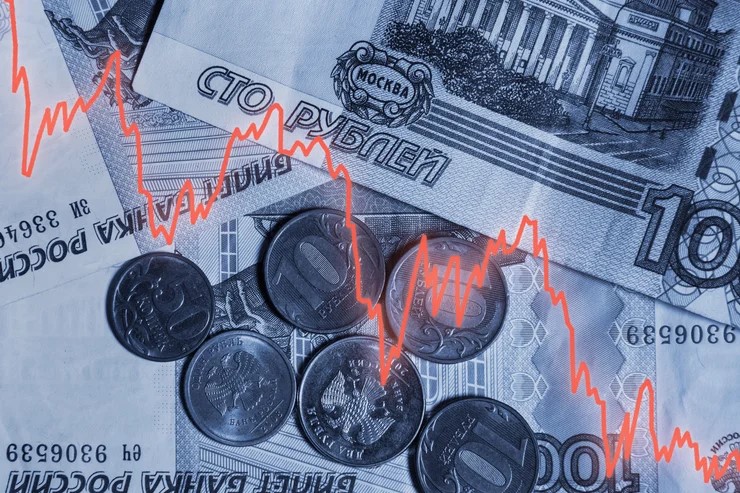
russia’s economy entered the year 2026 with extremely negative indicators, and the record regional budget deficit of 1.538 trillion rubles was only the most noticeable symptom. According to the ministry of finance of the rf, the gap between regional revenues and expenditures increased fivefold compared to the previous year.
Economists say outright that the war has become the country’s main economic factor. From 2026, the pressure will only increase: small businesses with revenues of 20 million rubles or more will be forced to pay an additional 5% VAT on top of the 6% tax on revenues. Some entrepreneurs are already declaring their readiness to curtail their activities or operate at a loss, which means even lower tax revenues for the regions.
Despite this, rosstat reports an increase in the population’s real incomes. However, independent analysts consider these data to be detached from reality. Indirect indicators suggest otherwise: russians are giving up large purchases, saving on food, and postponing non-urgent medical services. Sociological studies confirm this: only a minority of citizens feel that their well-being has improved.
The federal government could theoretically “flood” the problems with money, but that would mean a new wave of emissions and inflationary pressure, which the russian central bank is wary of. Therefore, moscow will only save strategically important enterprises, leaving the regions face to face with their debts. The most at risk are depressed and single-industry territories, where the economy is based on one large factory or mine.
Analysts do not expect a sudden collapse – rather, a slow decline. The russian economy is not exploding, but gradually losing resources, the quality of life is declining, and opportunities for development are narrowing. And the main conclusion: as long as the war continues, nothing good will happen in the economy.