FOREIGN INTELLIGENCE SERVICE OF UKRAINE
ABOUT US
Mission
Leadership
History of FISU
Department Symbols and Encouraging Decorations
Laws and Regulations
PUBLICATIONS
News
Analytics
Exposure
Intelligence Podcasts
Personalities of the Ukrainian Intelligence
Unveiled History
Kids' Page
CAREER
FEEDBACK
Communication Departament
Contacts
Access to Public Information
Public Procurement
Report Corruption
Укр
Eng
Home
Unveiled hystory
UNVEILED HISTORY
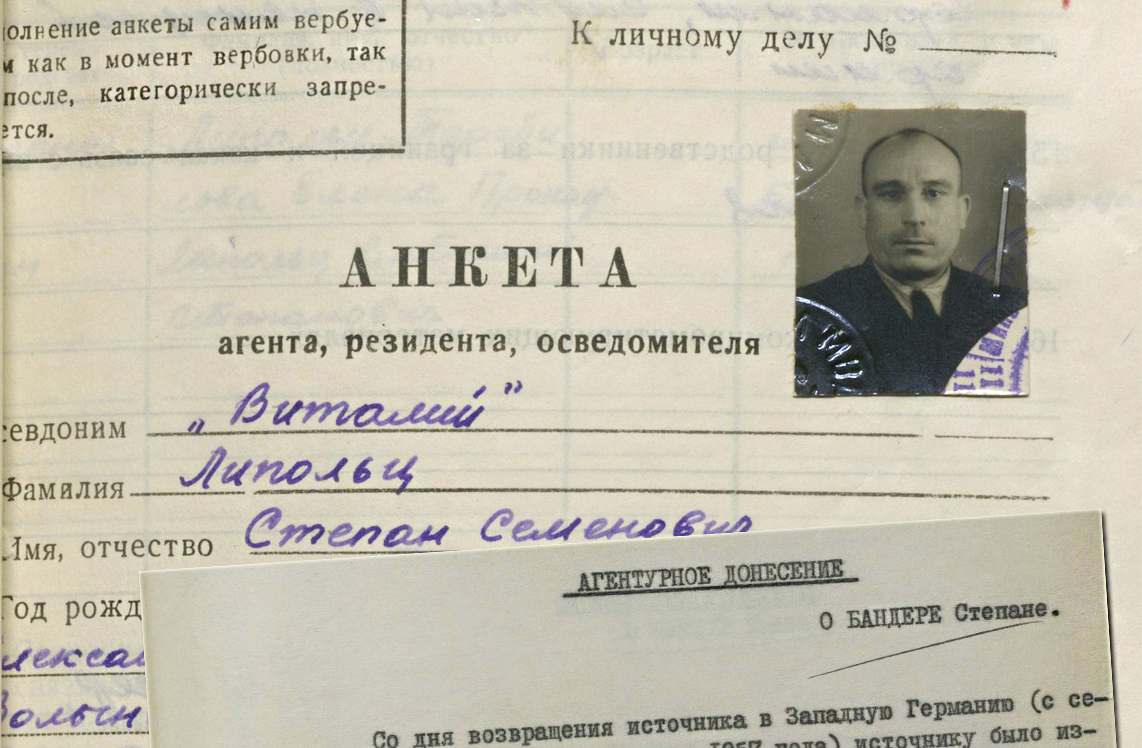
The Assassination of Stepan Bandera: The Secret Mission of kgb Agent “Liuks”
Immediately after Stepan Bandera’s assassination on October 15, 1959, in Munich, the kgb of the ussr launched a large-scale disinformation campaign aimed at misleading the international community regarding the circumstances of this high-profile crime, as well as its masterminds and perpetrators. One of those involved at every stage of this special operation – monitoring the OUN leader, creating conditions for his liquidation, and diverting attention from the real killer – was an agent codenamed “Liuks”, who had been recruited back in 1932. This is revealed in previously unknown documents from the archives of the Foreign Intelligence Service of Ukraine.
10/15/2026
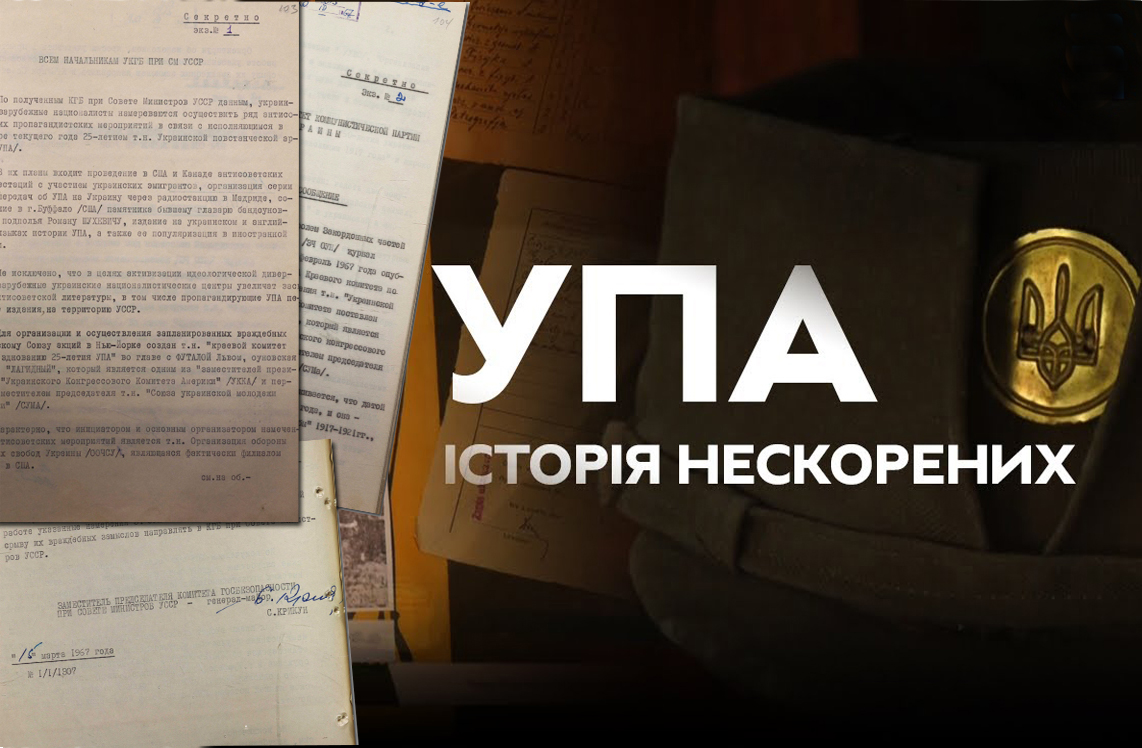
The kgb Against the Commemoration Abroad of the Day of Creation of the Ukrainian Insurgent Army (UPA)
Declassified documents from the archives of the Foreign Intelligence Service of Ukraine show that during the soviet period, the kgb not only within the ussr, but also abroad, used agent operational and ideological methods to completely erase from the memory of Ukrainians the Day of the creation of the Ukrainian Insurgent Army, which, according to a resolution of the Ukrainian Main Liberation Council, was traditionally celebrated on October 14, the Feast of the Intercession. Here is how in 1967 they monitored the events organized by the Ukrainian diaspora to mark the 25th anniversary of the creation of the UPA.
10/14/2026
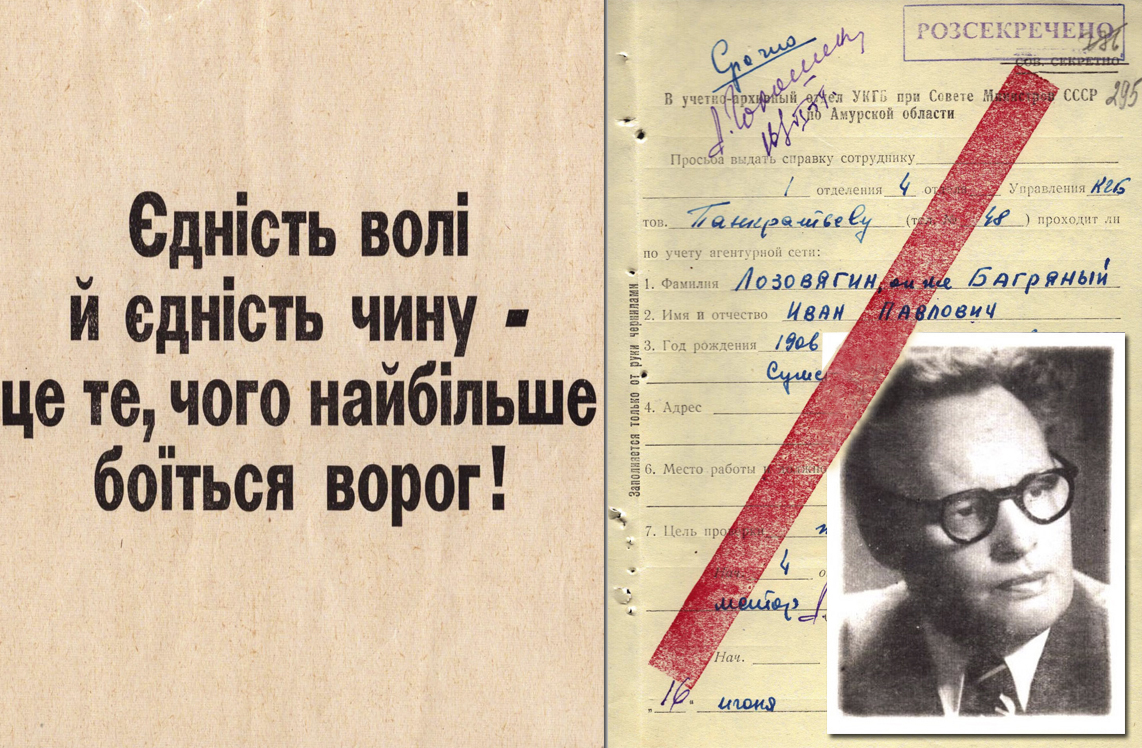
Ivan Bahrianyi. In the First Person (To mark the 120th anniversary of his birth)
A review of the declassified documents relating to the renowned political figure and writer Ivan Bahrianyi (October 2, 1906–August 25, 1963), held in the archives of the Foreign Intelligence Service of Ukraine, every time reveals little-known facets of this extraordinary individual. Particularly revealing are his personal testimonies, explanations, memoirs and comments on his own actions and surrounding events, which are recorded in interrogation transcripts, reports from the nkvd / mgb / kgb of the ussr, agent reports, handwritten explanations and journalistic sketches, which were meticulously collected by the chekists and added to the case file in an attempt to win him over to their side. But they never succeeded.
10/2/2026
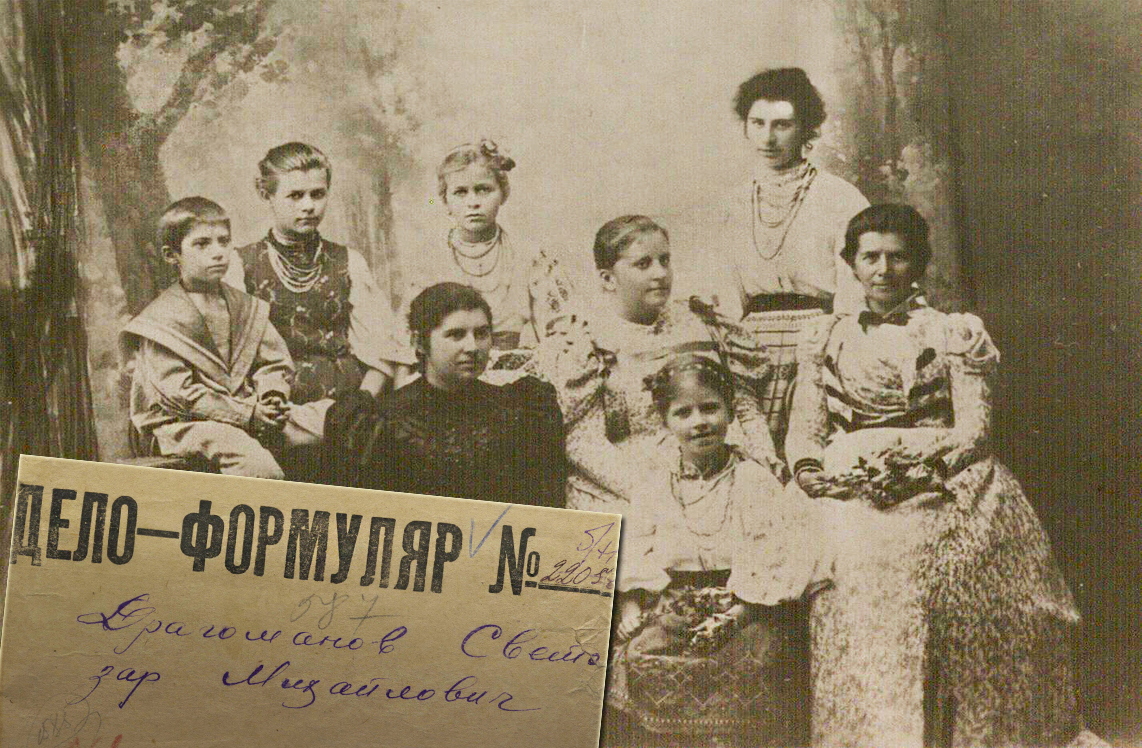
Svitozar Drahomanov. The Struggle to Clear His Father’s Name… Under the Close Surveillance of the nkvd
On the eve of the 185th anniversary of the birth of the distinguished Ukrainian historian, publicist, literary scholar, folklorist, philosopher, and social activist Mykhailo Drahomanov (September 18, 1841 – July 2, 1895) a number of documents have been identified and studied in the archives of the Foreign Intelligence Service of Ukraine. They shed light on some little-known chapters in the history of the Drahomanov-Kosach family. In particular, based on declassified documents, the dramatic fate of Svitozar Drahomanov can be traced; throughout his life, he was dedicated to popularizing his father’s scientific and literary legacy, defending his father’s good name against the oppression and distortions perpetrated by representatives of the soviet power, and searching for his father’s archives to return them to Ukraine.
9/18/2026
Roman Ilnytskyi. A Leader of the Democratic Wing of the OUN, Who Could Have Met the Same Fate as Lev Rebet
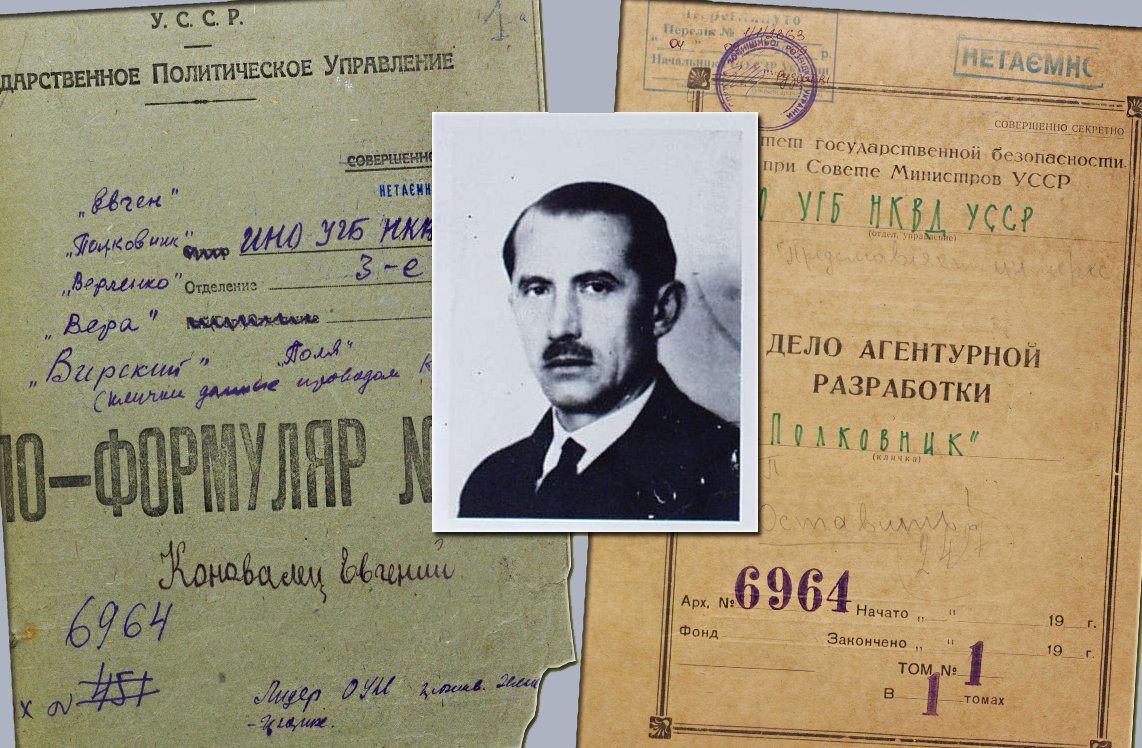
A closer look at declassified documents from the archives of the Foreign Intelligence Service of Ukraine reveals unknown chapters of history, which show that the plans of the gpu/nkvd/kgb of the ussr to physically liquidate active figures of the Ukrainian national liberation movement abroad included not only Yevhen Konovalets, Andrii Melnyk, Stepan Bandera, Lev Rebet, Mykola Kapustianskyi, and Yaroslav Stetsko, but also several other prominent figures. One of the targets of such efforts was the talented journalist, publicist, publisher, and civic and political activist Roman Ilnytskyi.
9/11/2026
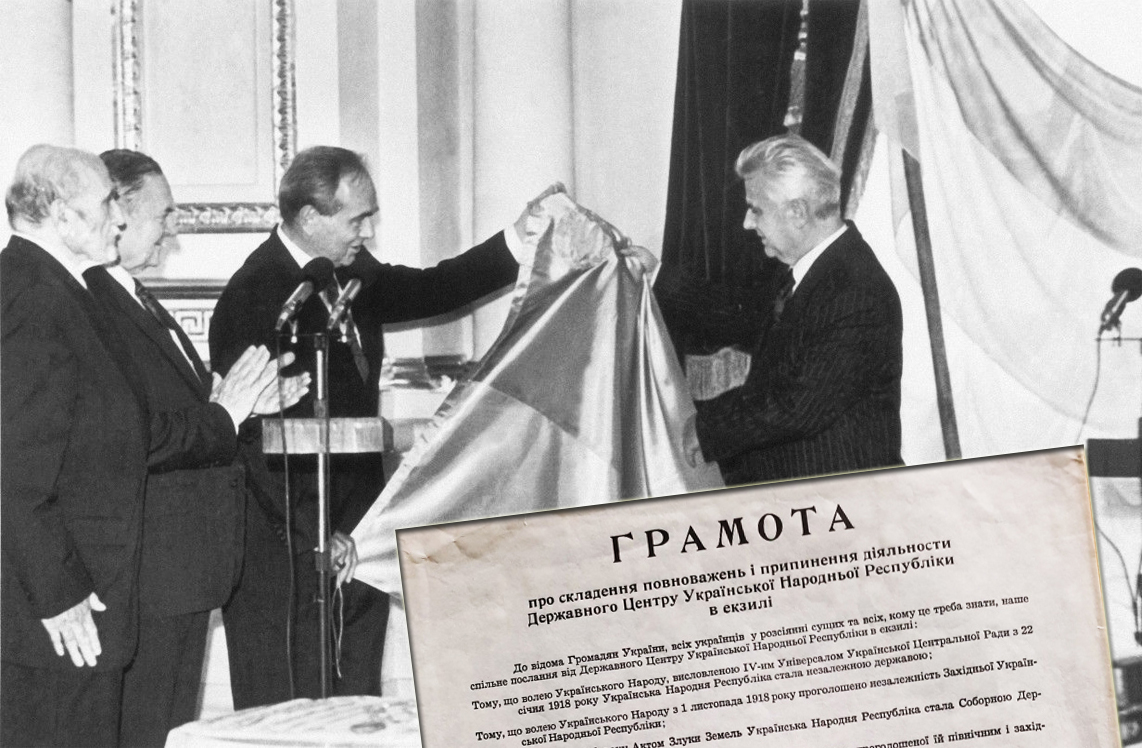
Mykhailo Voskobiynik. The Last Headof the Ukrainian National Rada
On August 22, 1992, during the celebrations marking the first anniversary of the restoration of Ukraine’s independence, the authorized representatives of the State Center of the Ukrainian People’s Republic in exile relinquished their powers and transferred them in Kyiv to the leaders of the restored Ukraine. In doing so, they affirmed the legal succession and continuity of Ukrainian statehood traditions. Among those who presented the first popularly elected President of Ukraine, Leonid Kravchuk, with the Charter declaring the termination of the State Center of the UPR, the presidential seal, the regalia of Hetman Ivan Mazepa, and the Flag was Head of the Ukrainian National Rada Mykhailo Voskobiynik. At that time, the archives of the Foreign Intelligence Service of Ukraine still contained a declassified file on him entitled “Elegantnyi”.
8/22/2026
How the KGB Tried to Obstruct Events Honoring Yevhen Konovalets
A series of documents has been discovered in the archives of the Foreign Intelligence Service of Ukraine detailing how the kgb of the ussr, at various times, monitored events organized by the Ukrainian diaspora to honor the memory of OUN leader Yevhen Konovalets and attempted to obstruct them in every possible way.
8/14/2026
Ukrainian Emigrants Under the Total Control of the kgb
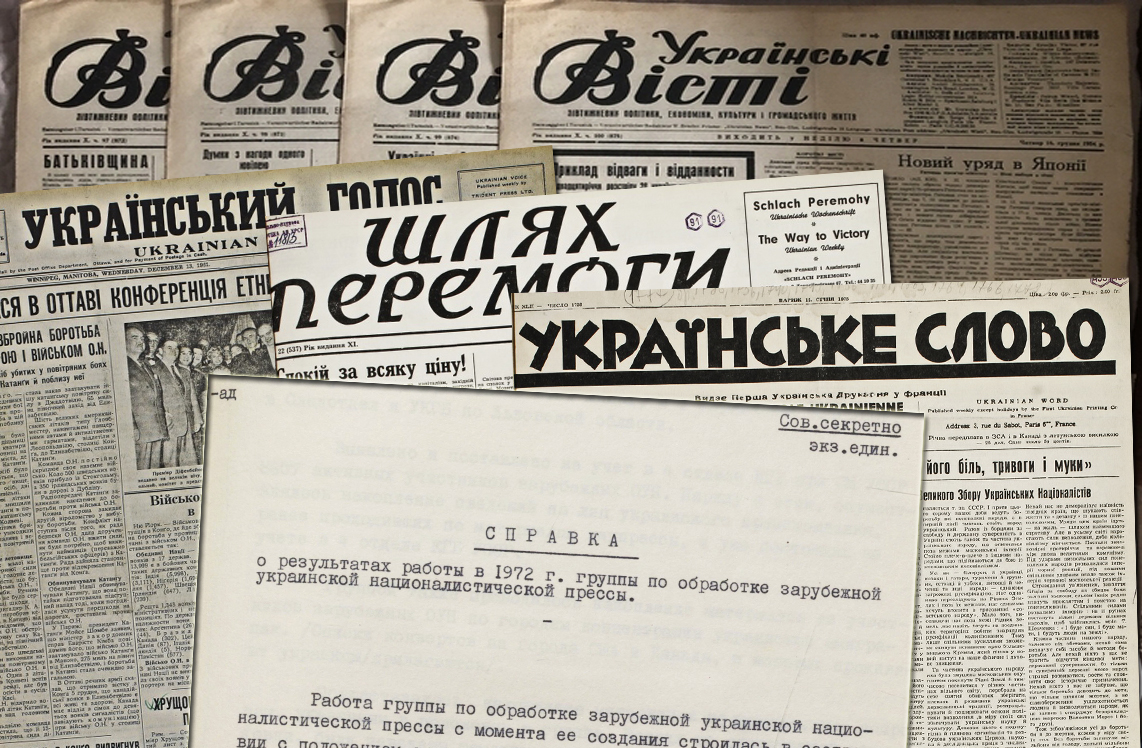
During the Cold War, the kgb of the ussr was arguably the only agency that possessed the most comprehensive information about the lives and activities of Ukrainian emigrants in virtually every country in the world. Declassified documents from the archives of the Foreign Intelligence Service of Ukraine reveal the areas and criteria used to monitor Ukrainians abroad, how and for what purposes information was collected, analyzed, and reported to party authorities.
8/11/2026
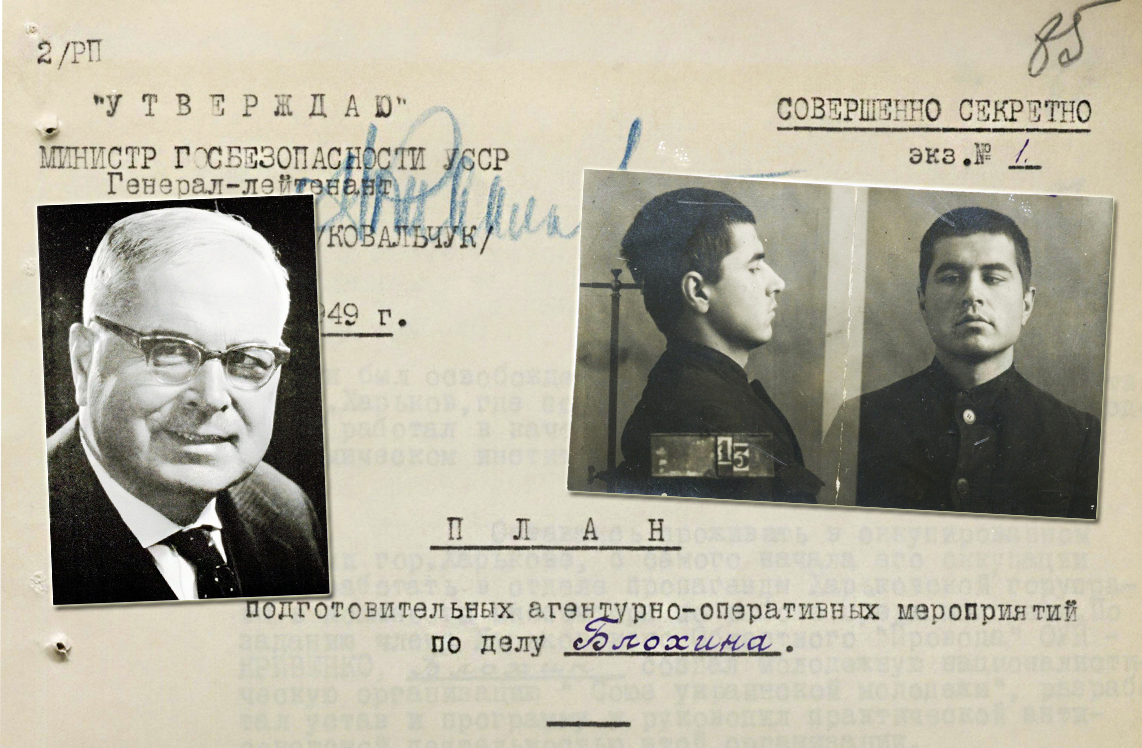
Yurii Boiko-Blokhin and His Full of Trials Path to the Statehood of the Ukrainian Nation
Documents on the operational cultivation of prominent Ukrainian scholar, public and political figure, theorist of Ukrainian nationalism, Yurii Boiko-Blokhin abroad, shed light on why the kgb / mgb of the ussr paid such close attention specifically to scientists – historians, linguists, literary scholars, and archaeologists. Their research into the origins of the Ukrainian nation, statehood, language, and culture significantly hindered the imperial plans of the kremlin leadership, which was rewriting history to suit its own agenda. War was declared on those who stood in the way of this and did not fit into the concept approved at the highest levels in moscow.
7/15/2026
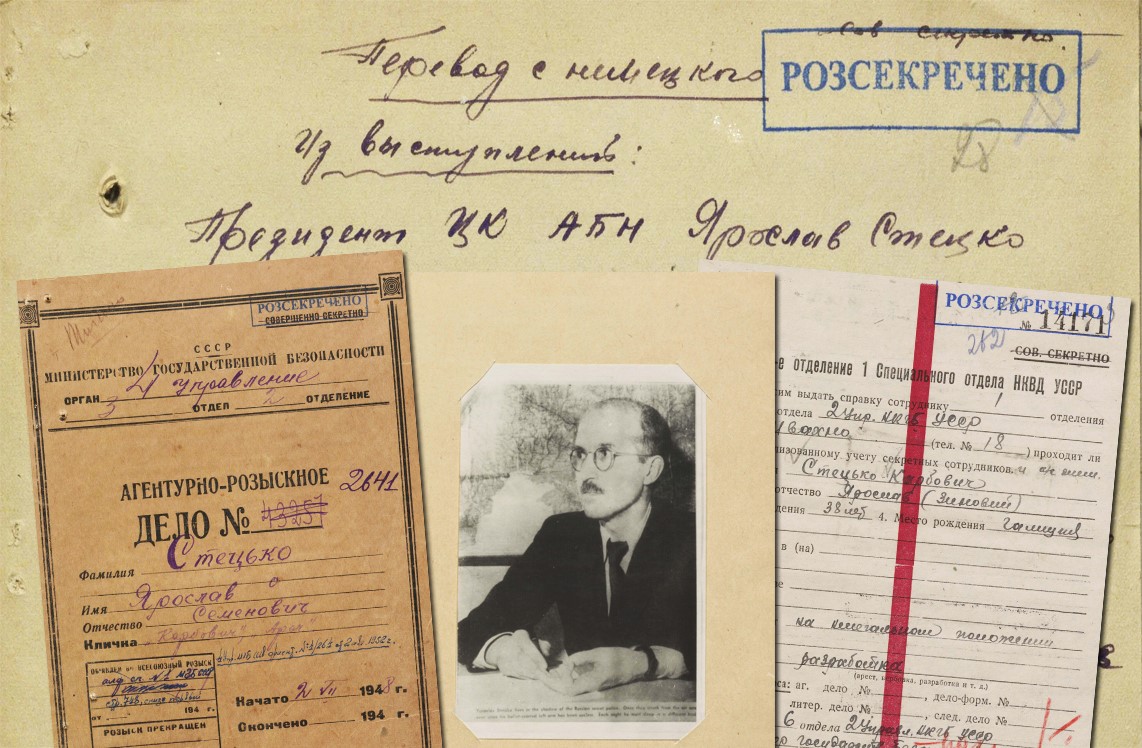
Yaroslav Stetsko. 40 Years Since His Premature Death
On July 5, 1986, Yaroslav Stetsko, Head of the OUN-B Provid, President of the Anti-Bolshevik Bloc of Nations (ABN), one of the leading ideologists of the Ukrainian national liberation movement, and an organizer of the struggle for Ukraine’s independence, passed away. The cause of his death, as evidenced by declassified documents from the archives of the Foreign Intelligence Service of Ukraine, was the ussr kgb’s special operation codenamed “Nekro”, aimed at inflicting psychological trauma on him by spreading a falsified obituary purportedly from the editorial staff of Radio Liberty, which led to a sharp deterioration in his health condition. On the occasion of the 40th anniversary, new materials from the operational file on Ya. Stetsko are being published, detailing his consistent struggle against the imperialist policies of the kremlin leadership.
7/5/2026
Yaroslav Haivas. Prominent OUN Figure, Intelligence Officer, Journalist
At various points in his life, Yaroslav Haivas served as Roman Shukhevych’s deputy in the Self-Defense Committee; during the German-soviet War, he led one of the OUN-M’s expeditionary groups in the occupied territories of soviet Ukraine, later headed the Provid of the Central East of Ukraine, and during 1944–1945 even served as acting leader of the OUN. After the war, he headed the OUN’s intelligence service, then edited the newspapers “Svoboda” and “Shlyakh Peremohy”, and wrote a series of books about his participation in the liberation struggle. His activities were constantly monitored by the nkvd/kgb, as evidenced by a three-volume case file held in the archives of the Foreign Intelligence Service of Ukraine.
6/15/2026
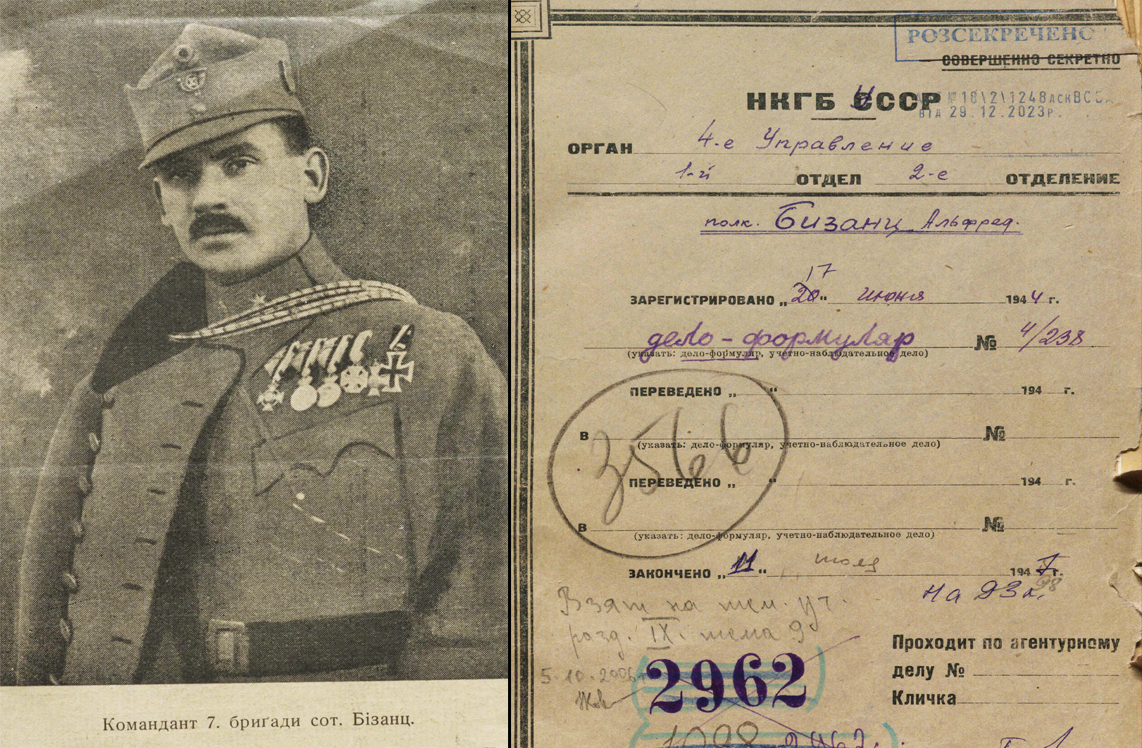
Colonel Alfred Bizants. Notes from the Internal Prison of the mgb of the Ukrainian ssr
A case file has been discovered in the archives of the Foreign Intelligence Service of Ukraine that historians had been searching for unsuccessfully for a long time, concerning an active participant in the Ukrainian liberation struggle of 1918–1920, Colonel of the UGA and the Army of the Ukrainian People’s Republic, and one of the initiators and organizers of the formation of the “Halychyna” Division, Alfred Bizants. Actually, two case files. They shed light on some previously unknown circumstances of his arrest – in fact, his abduction by the soviet secret police in Vienna in 1945, his transfer, and his detention under investigation.
6/8/2026
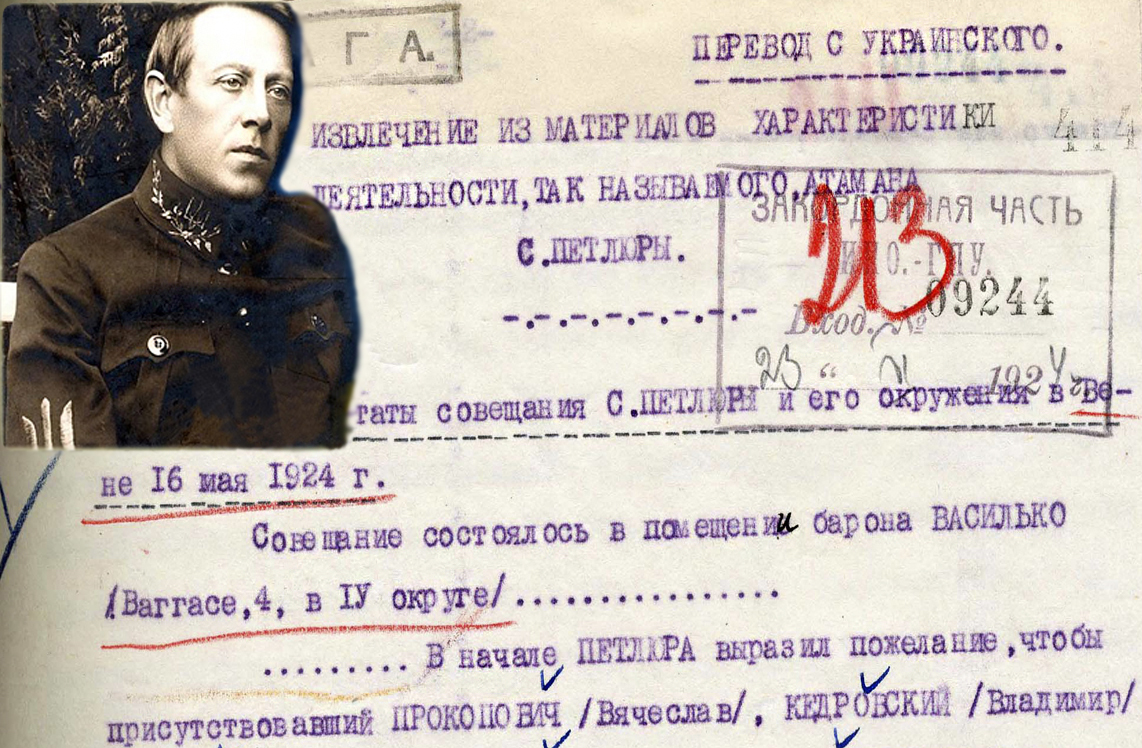
Symon Petliura: Two Years Before His Assassination
The archives of the Foreign Intelligence Service of Ukraine contain a number of documents relating to Symon Petliura’s time in exile from 1920 to 1926. These documents do not cover all of the activities undertaken by the Chief Otaman of the Army of the Ukrainian People’s Republic in organizing the work of the government-in-exile. At the same time, they demonstrate that S. Petliura remained the leader of the struggle for the Ukrainian cause, persistently seeking the support of other countries in this endeavor and consolidating pro-state emigration forces around him. Such activity did not go unnoticed by the ogpu of the ussr.
5/25/2026
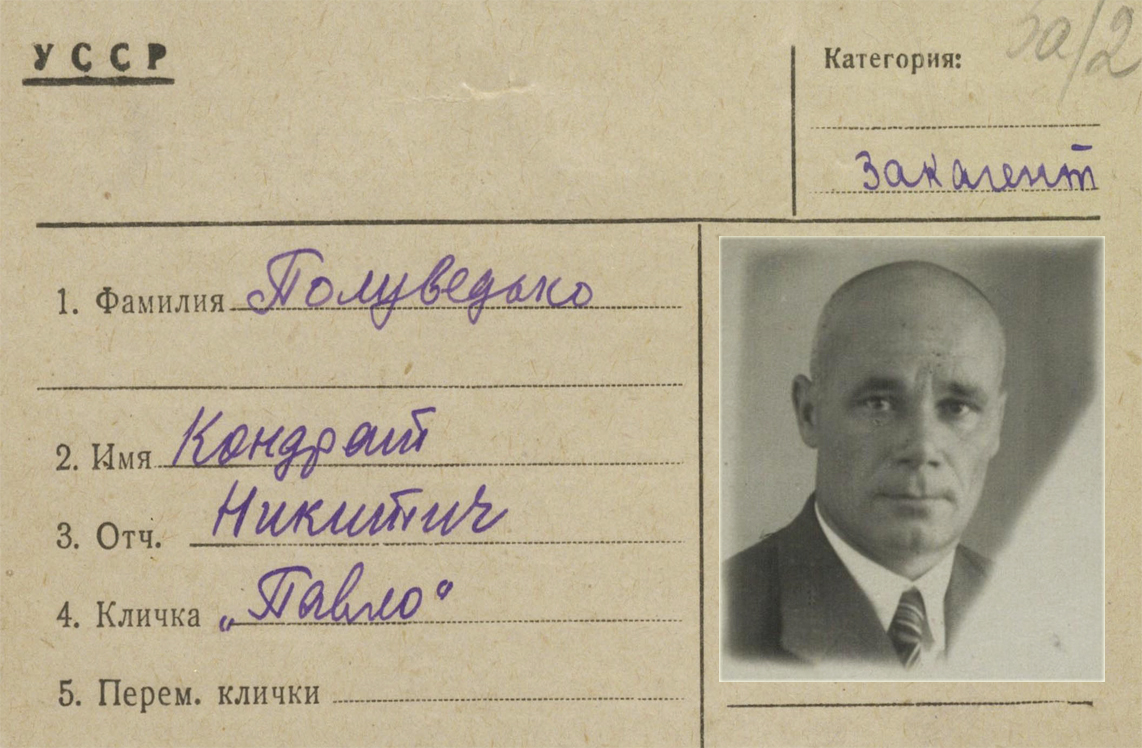
Kindrat Poluvedko. The Arrest in Kharkiv as an Echo of the High-Profile Murder in Rotterdam
Thanks to declassified documents, earlier it was possible to trace in detail the role of nkvd officer Pavel Sudoplatov and agent “Lebed” (Vasyl Khomyak) in the murder of OUN leader Yevhen Konovalets. The discovery and analysis of the multi-volume “Pavlo” case in the archives of the Foreign Intelligence Service of Ukraine allows us to learn more about the involvement in the “Stavka” special operation of another nkvd agent– Kindrat Poluvedko. Besides, the answers to the question of why exactly the Gestapo arrested him in 1942 are becoming clearer – whether for his active participation in the OUN in occupied Kharkiv or for his involvement in the assassination of Ye. Konovalets on May 23, 1938.
5/22/2026
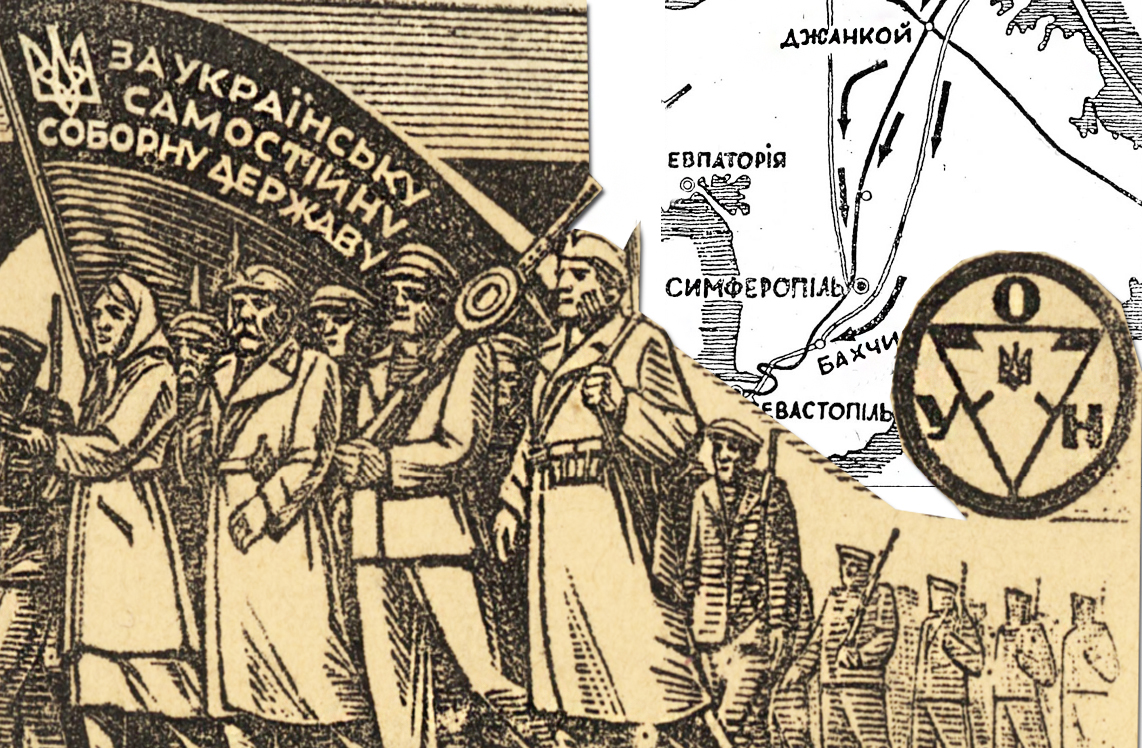
“Bandera’s Resident Agents in Crimea”. The Story of a Special Report
The Ukrainian ssr nkvd’s special report on the activities of the OUN(B) in Crimea during World War II has been discovered in the archives of the Foreign Intelligence Service of Ukraine. In contrast to soviet propaganda and the current “research” by the fsb of the rf devoted to the “collaboration of Ukrainian nationalists with the fascist invaders” on the Crimean Peninsula during the war, in this document, the chekists themselves, citing a political report by the OUN(B), de facto help debunk ideological myths about how the Ukrainian national resistance movement operated in the temporarily occupied territories.
5/8/2026
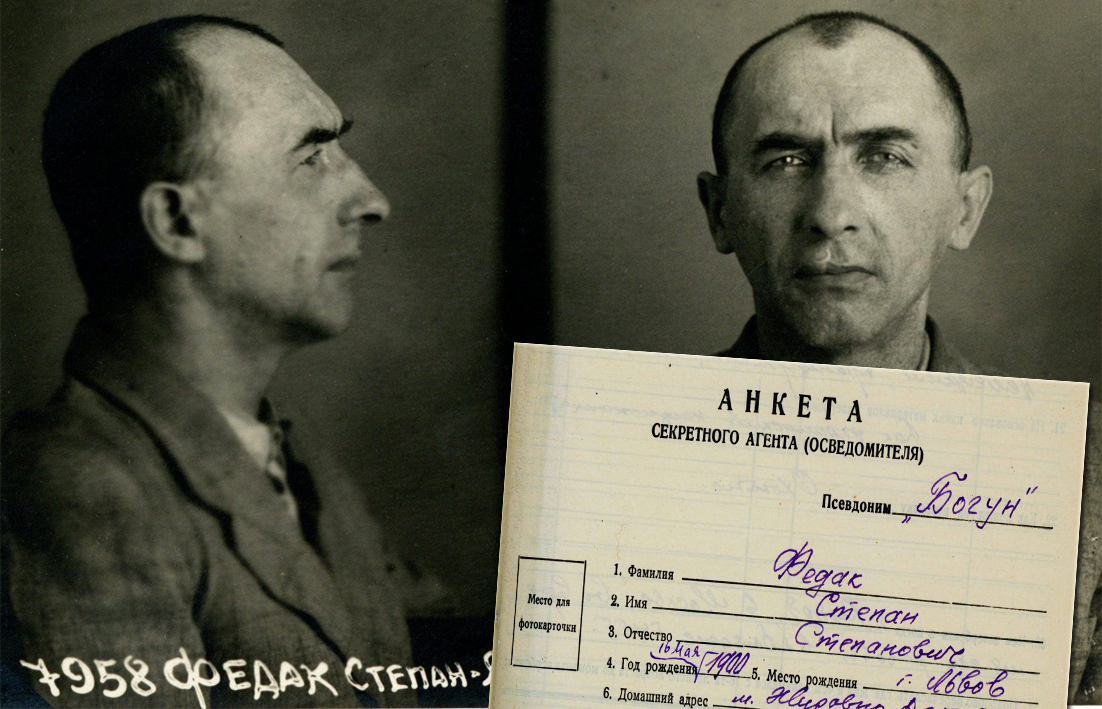
The Mystery of Stepan Fedak Jr.’s Disappearance
The fate of Stepan Fedak, whose sisters were married to Yevhen Konovalets and Andriy Melnyk, is full of mysteries and blank spots. It was believed that he disappeared without a trace around 1945, at the end of World War II. But the mgb, and later the kgb of the ussr, did not believe this and persistently kept searching the world for him. They needed him in order to complete a special operation that had been so unexpectedly interrupted by the outbreak of war. The operation is a striking example of how moscow resorted to such a rather specific method as “gentle” recruitment, solely to infiltrate the inner circle of leaders of the Ukrainian liberation movement.
5/1/2026
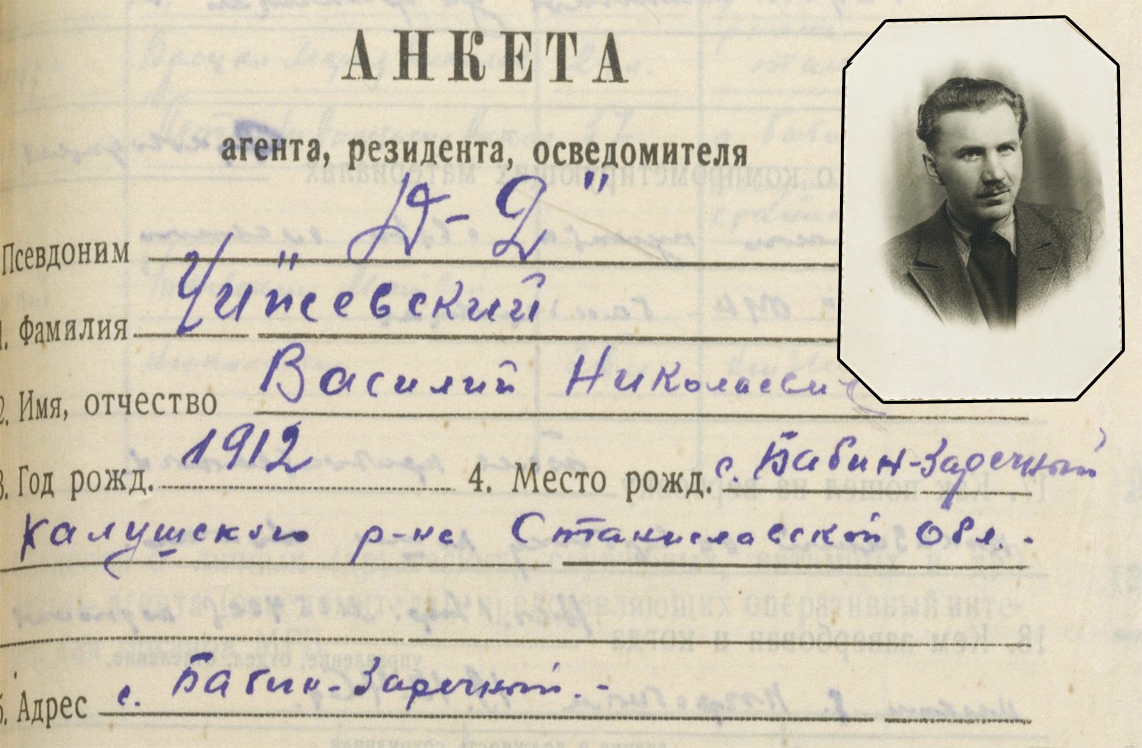
Ukrainian ssr mgb Agent “D-2”. Failed the Screening by the OUN Security Service
Throughout its history, the OUN Security Service made considerable efforts to prevent bolshevik agents from infiltrating the ranks of the Organization. To this end, a whole system of measures, screenings, and investigations – often quite harsh – was established. The сhekists were well aware of this. Therefore, when preparing to infiltrate another agent into the OUN’s leadership structures, they tried to carefully craft a “legend” for him. Declassified documents from the archives of the Foreign Intelligence Service of Ukraine reveal how the former did that and what countermeasures were taken by the latter.
4/23/2026
How the OUN Security Service Uncovered in Its Ranks a Valuable Agent of the mgb of the Ukrainian ssr
Among the documents in the archives of the Foreign Intelligence Service of Ukraine, a number of files have been found detailing how, at various times, the nkvd / mgb / kgb of the ussr made considerable efforts to infiltrate the most secretive structures of Ukrainian émigré organizations abroad, particularly the Security Service of the OUN’s Foreign Units. The new declassified part of history tells how this was done, what methods were used to coerce certain individuals into cooperation, and how representatives of the Ukrainian liberation movement managed to counteract the infiltration of enemy agents – and sometimes even expose “moles” within their ranks.
4/13/2026
A Bomb Targeting the World Congress of Free Ukrainians. Made by the kgb
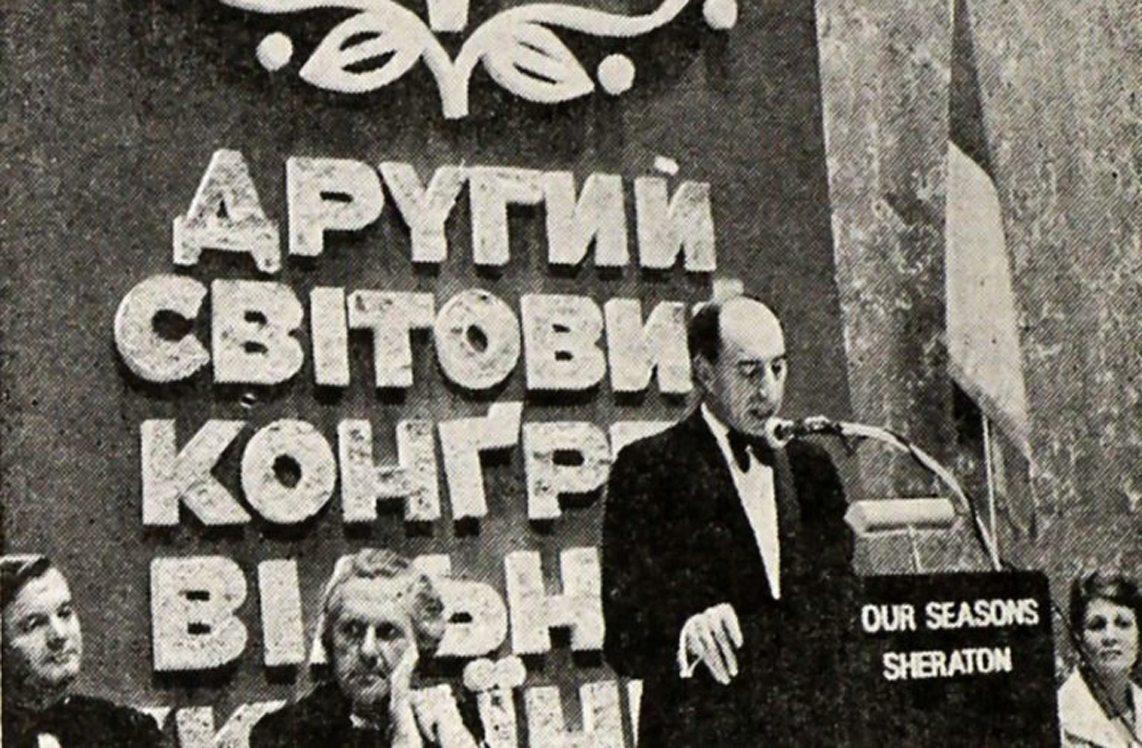
At the time, the soviet kgb went to great lengths to prevent the establishment of the World Congress of Free Ukrainians (WCFU) – an international organization whose goals were to consolidate all Ukrainians, draw the global community’s greater attention to the Ukrainian cause, and provide assistance to the Ukrainian people in their struggle for freedom and state independence. When they failed to prevent it, they resorted to all sorts of special measures to sow discord among diaspora organizations, discredit their leaders, artificially introduce dirty tactics into the race for the WCFU presidency, or at the very least disrupt the regular Congress session. Declassified documents from the archives of the Foreign Intelligence Service of Ukraine describe how this unfolded.
4/5/2026
Writer Ihor Kostetskyi. The kgb Tried to Catch Him, but Failed…
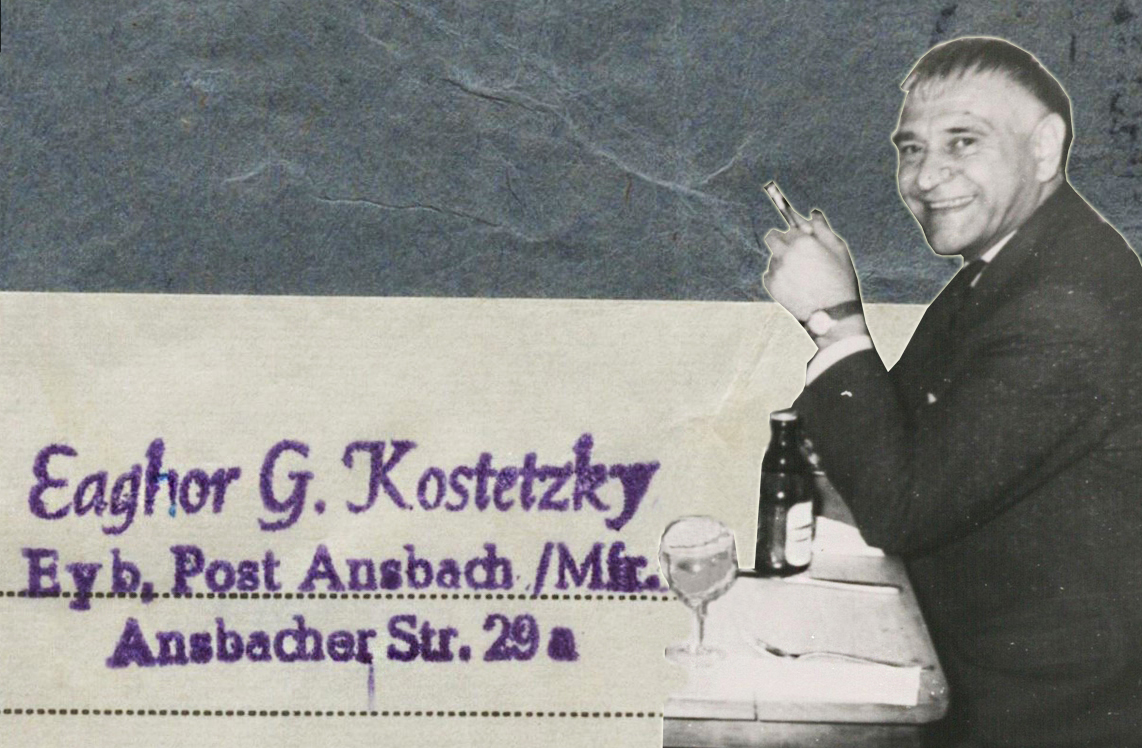
The archives of the Foreign Intelligence Service of Ukraine contain numerous intelligence files in which the intrigue lasts until the very last pages. Among them – a four-volume case file on the Ukrainian writer, translator, critic, literary scholar, director, and publisher Ihor Kostetskyi, which the kgb initially codenamed “Writer.” It documents the kgb agents’ numerous attempts to win over this extraordinary, extravagant, provocative, and ambitious modernist writer and recruit him to participate in active information and propaganda campaigns. Declassified documents and other sources reveal the methods used at that and what remained behind the scenes of the special operation.
3/26/2026
<
1
2
...
9
10
>