
Authorities Force Residents of russia’s Regions to Finance Basic Infrastructure Themselves
3/6/2026
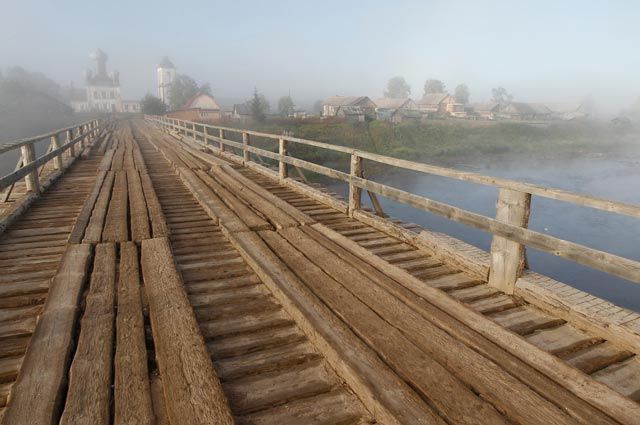
russian municipalities, deprived of budget funding, are increasingly shifting the costs of maintaining basic infrastructure directly to residents. The practice of “self-taxation” is spreading throughout the country, from buryatia to perm region.
The federal budget deficit reached 5 trillion rubles last year and is forecast to double to 10 trillion rubles this year. Regions’ debt already accounts for about half of the federal debt. Even relatively wealthy moscow, tatarstan, and oil-rich yamalo-nenets autonomous district are running out of money. Municipalities receive almost nothing, yet they bear the main burden of public amenities: roads, parks, housing, and cemeteries. The latter, incidentally, are now growing at an unprecedented rate due to losses in the war against Ukraine.
There are countless examples. In particular, in the buryat village of veliky kunaley, every household was required to pay 300 rubles per month. The amount of the contribution was approved at a village meeting – formally within the limits of the law on local self-government. In perm region, in the village of velikie kusty, the funds collected are planned to be spent on a fence for the cemetery. This practice has existed in tatarstan for many years. Regional authorities even provide recommendations on how to punish those who refuse to pay. Regions are looking for any sources of funding. arkhangelsk region takes out expensive bank loans. The authorities in petropavlovsk-kamchatsky have introduced “voluntary contributions” to the city treasury.
Businesses, which previously could partially compensate for the lack of municipal funding in exchange for preferences, have themselves come under pressure. Small businesses are simply closing down. In small settlements, they are often non-existent.
The legal basis for “self-taxation” remains vague, creating additional grounds for social conflict. However, this is unlikely to stop the spread of the practice – municipalities simply have no alternative.