
belarus’ Agro–Industrial Complex Has Become a Hotbed of Corruption and Danger
1/13/2026
In belarus, an official report by the ministry of internal affairs has revealed a deep systemic crisis in the agricultural sector of brest region. According to information from the opposition organization BELPOL, an inspection of 181 agricultural enterprises revealed widespread and regular violations of legislation, safety requirements, and financial discipline, which indicate not isolated failures but the actual collapse of the industry’s management system.
One of the most alarming problems is driving under the influence of alcohol. The report points out that the management knew about drunk drivers of agricultural enterprises going on routes. Thirty-seven officials who allowed such employees to work were held accountable. This demonstrates that the violations are managerial in nature, and that formal controls and medical examinations often exist only on paper.
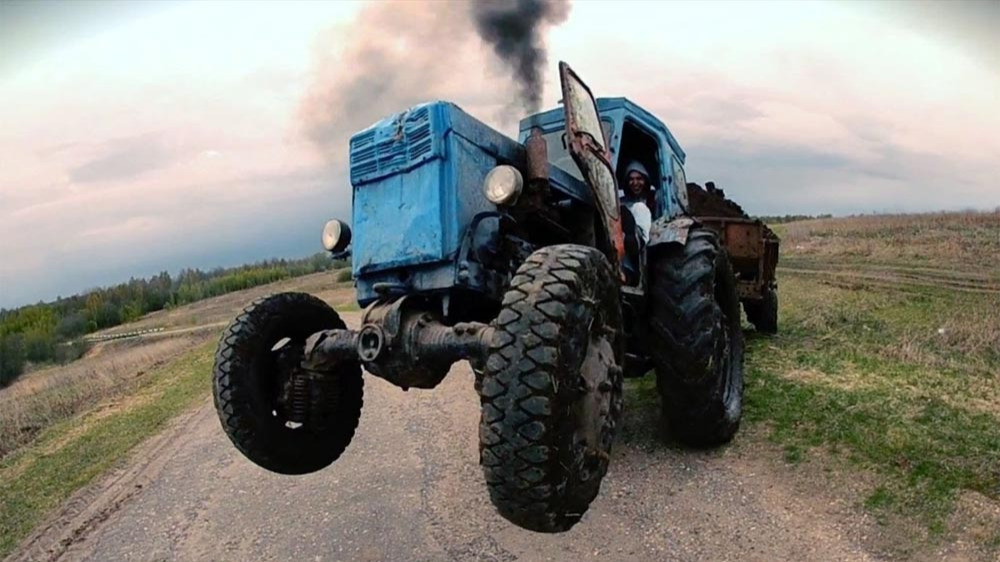
The situation with the technical condition of transport is no less critical. Dozens of agricultural machines and trucks were operated without a license to participate in road traffic or with malfunctions that are prohibited by law. Eighty-one officials were punished for these violations, but the report does not specify how long the dangerous equipment was in operation before the interference of the control authorities.
A separate block of violations concerns systemic theft of fuel and other property. According to the ministry of internal affairs, thefts of diesel fuel, meat, and livestock in the agricultural sector are widespread and organized, often with the involvement of enterprise management. In one year, in brest region alone, 160 crimes in the agricultural sector were detected, more than a third of which were corruption-related. The criminal cases involve directors, chief accountants, veterinarians, and farm managers.
The picture is even bleaker when it comes to animal husbandry. The report records hundreds of cases of mismanagement: mass deaths of livestock are concealed, and their bodies are not disposed of for weeks. Due to negligence and faulty infrastructure, dozens of heads of cattle are dying, while responsibility is limited to formal penalties.
Against the background of these facts, belarusian authorities’ statements about “rural development” and “effective agricultural policy” seem increasingly detached from reality. The official document of the ministry of internal affairs has effectively become an admission of the failure of the agricultural management system in brest region, where corruption, lack of control, and indifference to safety have become the norm, while the state only reacts after accidents, losses, and tragedies.