
Cheap Fast Food Has Become Expensive for russians – They Are Saving on Everything
4/27/2026
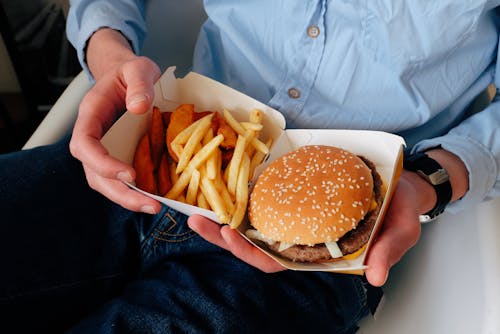
Profits for the major monopolists in russia’s fast-food market plummeted last year. While in 2024 sandwich chains were steadily increasing their profits, in 2025 the “import-substituted” chain “vkusno – i tochka” lost 15.1% of its net profit, rostic’s – 27.5%, “burger king” – 61%.
The classic anti-crisis logic – that poverty drives people to cheap eateries – no longer works in russia. A labor shortage, disrupted supply chains, and soaring business costs have rewritten the usual rules. A family trip to a fast-food restaurant on the weekend has become a luxury that the average russian can no longer afford. According to estimates by independent experts, 30 to 40% of the country’s citizens are on the brink of poverty. Household spending on food has reached an 18-year high – about 39% of the family budget. When every fourth ruble goes toward food, standing in line at “burger king” becomes an unnecessary extravagance.
The situation is no better in the russian coffee shop market. The Cofix chain – the fourth-largest by number of locations – is up for sale. As of February of this year, the number of traditional coffee shops in russia had fallen by 13%, and foot traffic had dropped by 20%. Today, the main competitors for coffee shops are supermarkets with coffee machines that sell cheap instant beverages. The reason is not only that coffee ingredients have become by 20–30% more expensive – russians have simply started saving money even on small things.