
Higher Education in russia: A Luxury for the Few, Military Service for the Rest
3/29/2026
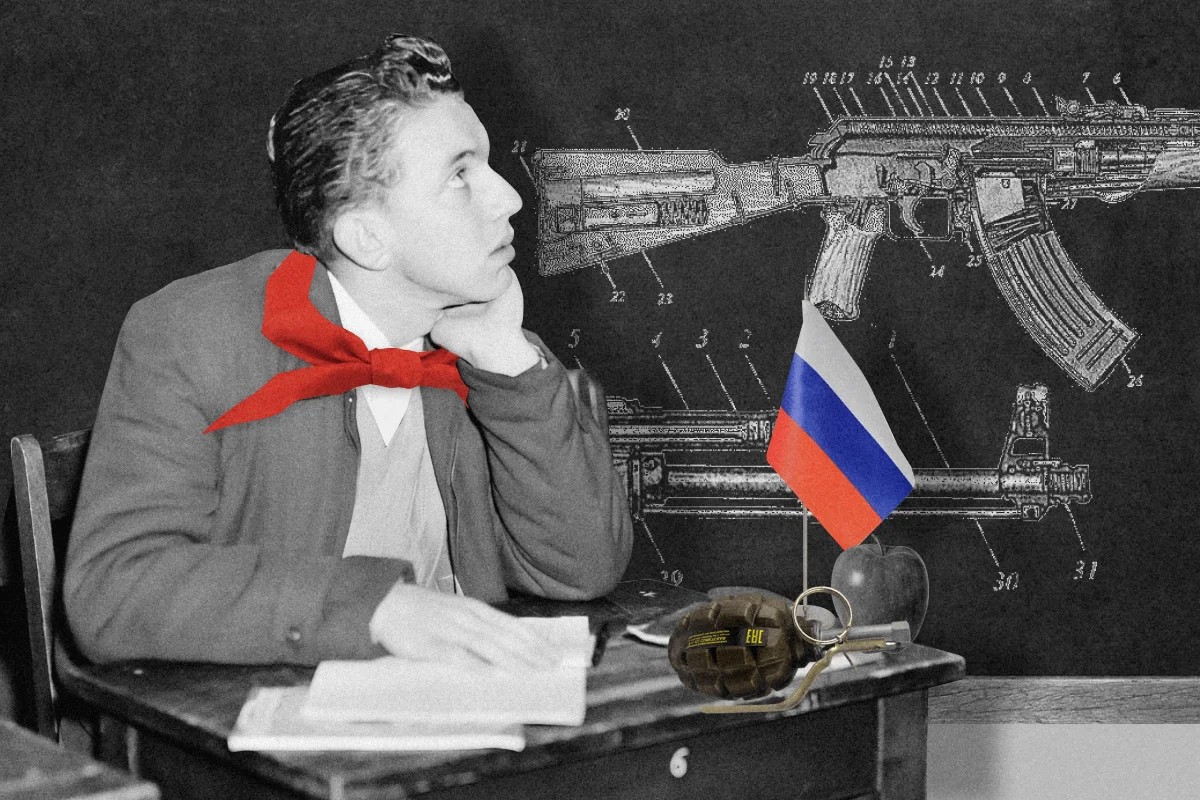
russia has effectively finalized a system in which access to higher education for the majority of the population will be contingent on military service. Starting next academic year, the number of state-funded spots in universities will be drastically reduced – while the cost of tuition-based programs has reached the price of real estate.
Leading moscow universities have announced the cost of a bachelor’s degree: some majors will cost around 4 million rubles – roughly the same as a one-bedroom flat in the capital’s suburbs. This is an amount beyond the reach of the vast majority of russian families. The regions are not far behind: a bachelor’s degree at novosibirsk university in popular fields costs up to 1 million rubles, and living and travel expenses make provincial education just as financially burdensome.
In parallel, the minimum admission score threshold has been raised for the 2026/2027 academic year, and starting this March, physics has become a required subject for most engineering and IT majors. Experts estimate that intensive preparation for this exam alone will cost at least 500,000 rubles.
The logic is simple to the point of cynicism: no money for education? There’s a contract with the ministry of defense that will pay for it. The contract becomes, de facto, the only ticket to university.
Giving up the Bologna Process closes the last remaining escape route. Diplomas from russian universities are no longer recognized abroad, and thus the option to study elsewhere disappears. Students are tied to their “motherland” and forced to comply exclusively with domestic regulations.
Against the background of an acute shortage of qualified personnel, the army is actively recruiting students. This year, the country was swept by a wave of scandals, linked to the forced or semi-forced conscription of young people into service.
The ministry of education’s rhetoric about “improving the quality of education” does not stand up to reality. The reforms are not aimed at education – they are turning future admissions campaigns into a free recruitment pool for the ministry of defense.