
Inflation in russia Is Concentrated on Essential Goods
1/21/2026
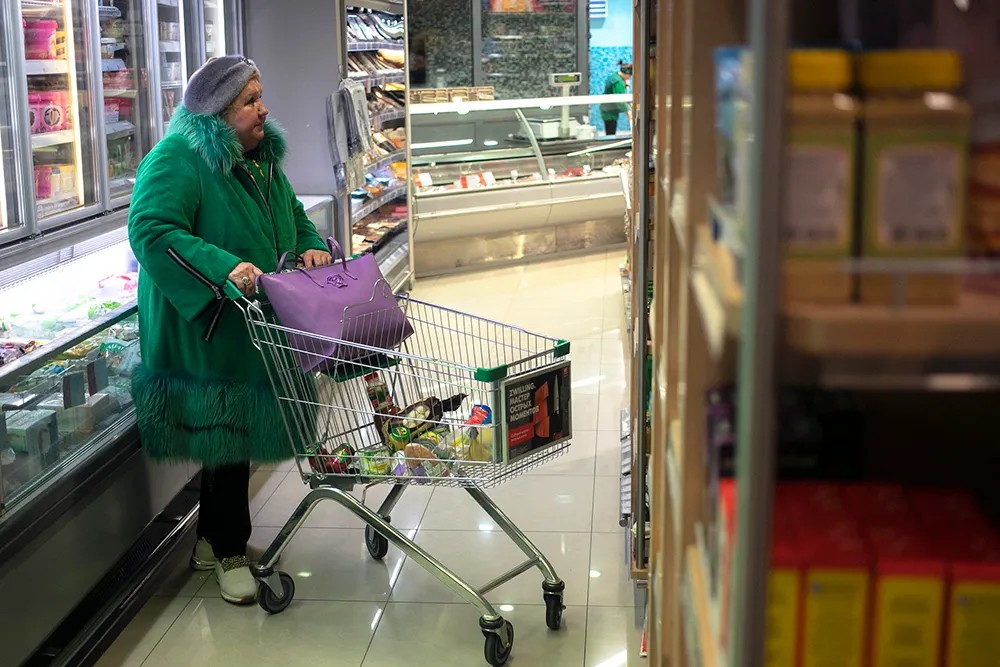
russia’s economy started 2026 with a noticeable acceleration in inflation. In the first 12 days of January, the average daily rate of price growth rose sharply to 0.104% compared to 0.014% at the end of 2025.
The sharpest price increases were recorded in the food segment, first of all fruit and vegetables, where prices rose by an average of 7.9%. Cucumbers rose in price by more than 21% and tomatoes – by 13.6%, which significantly exceeds the typical winter level and indicates problems with supply and logistics. In parallel, socially sensitive goods such as baby food, pork, and alcohol became more expensive due to higher excise taxes.
The price increase also affects essential non-food items. Detergents, hygiene products, and medications, including antiviral medicines, have become more expensive. At the same time, consumer electronics is becoming cheaper, which highlights the imbalance: inflation is concentrated not in the non-essential spending segment, but in the sphere of basic household consumption.
Additional pressure is exerted by rising fuel prices – by 1.2–1.3%, which translates into higher logistics costs and transportation costs. This creates a secondary inflationary effect and gradually raises prices in other sectors of the economy, exacerbating the overall inflationary background.
The sharp rise in utility rates has been most painful for the population. Metro fares have risen by 10.7%, and tram fares – by 5.4%, which significantly exceeds the overall inflation rate. At the same time, housing and utility rates are rising, increasing the burden on household budgets.
Taken together, these trends point to a deepening of economic problems in russia in 2026. Inflation is increasingly spilling over into basic expenses such as transportation, housing and utilities, medicine, and food.