
Migration Costs belarus up to $4.6 Billion Annually
9/22/2025
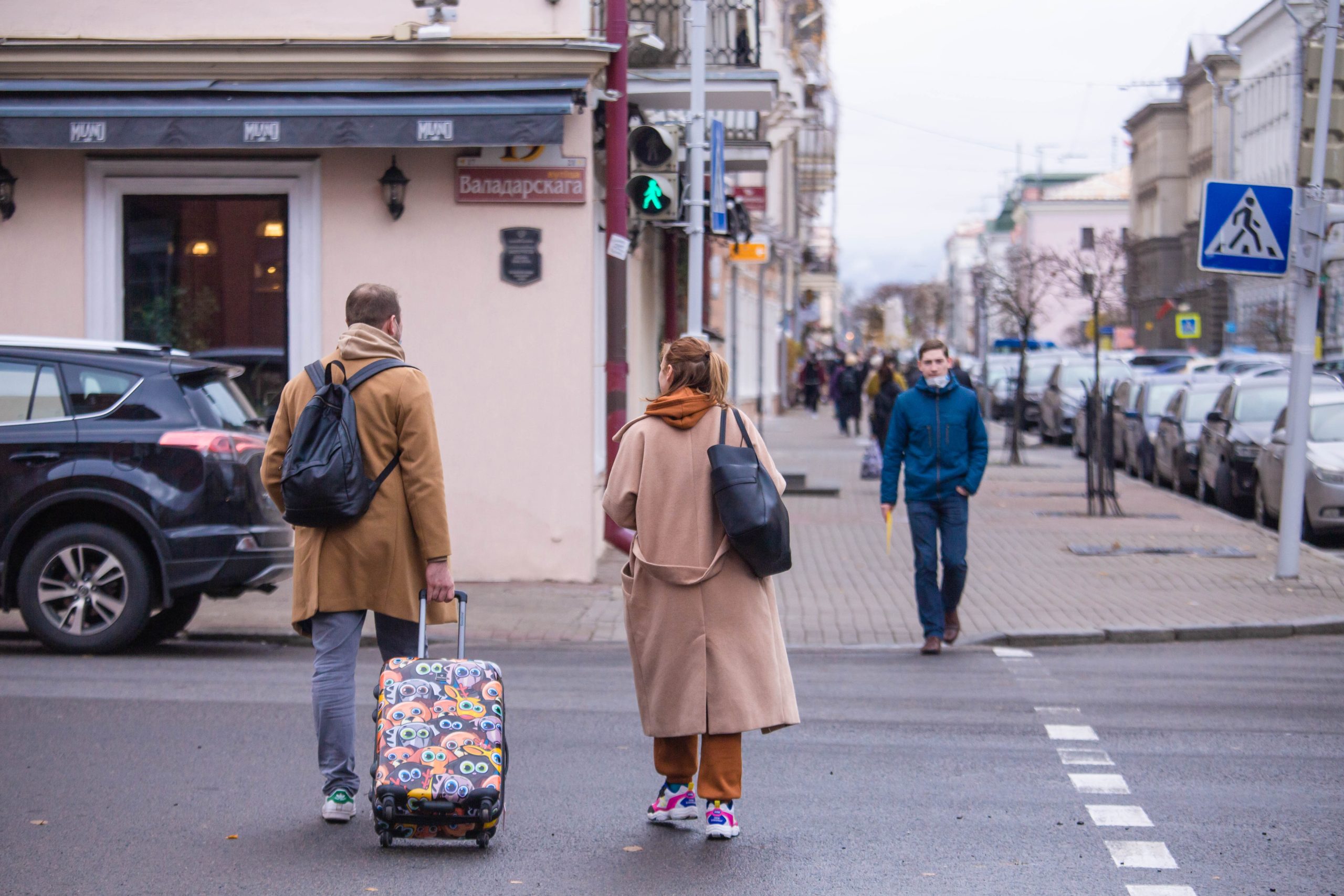
Over the past five years, belarus has lost about 5 % of its population to emigration. These are mostly young professionals, families with children, and highly skilled workers, whose absence exacerbates the labor shortage and slows economic growth.
At least 400,000 belarusians work abroad, of whom about 250,000 reside permanently in the EU. In russia, belarusians make up a small part of the migrant workforce, or about 124,000 people, which is significantly fewer than the number of migrants from Central Asia. At the same time, in Poland, more than 130,000 belarusian citizens were paying social security contributions at the end of 2024.
The brain drain has especially affected the IT sector and exacerbated demographic problems. The majority of migrants are people under the age of 44, i.e., those in their most productive and reproductive years. In Poland alone, more than 20,000 belarusians with permanent residence rights are minors.
Between 2020 and 2025, the population of belarus decreased by another 300,000 people, not counting migrants. In 2024, the mortality rate was almost twice as high as the birth rate (12.6 versus 6.5 per thousand), with the worst indicators in Vitebsk region.
The regime’s attempts to compensate for the labor shortage by attracting foreigners have so far been unsuccessful: in the first quarter of 2025, only about 60,000 foreigners (1.5 % of the employed population) were working in the country. If the belarusians who left had stayed in the country, they could have been creating an added value of $4–4.6 billion annually.