
moscow Is Closing Its Doors to Global Container Shipping Giants
3/28/2026
The kremlin is drafting a decree that will effectively block leading sea carriers from returning to the russian market. According to the intention of the drafters of the document, this is a safeguard against “unfriendly” players; from the point of view of the market logic this is a systematic destruction of russia’s own logistics infrastructure.
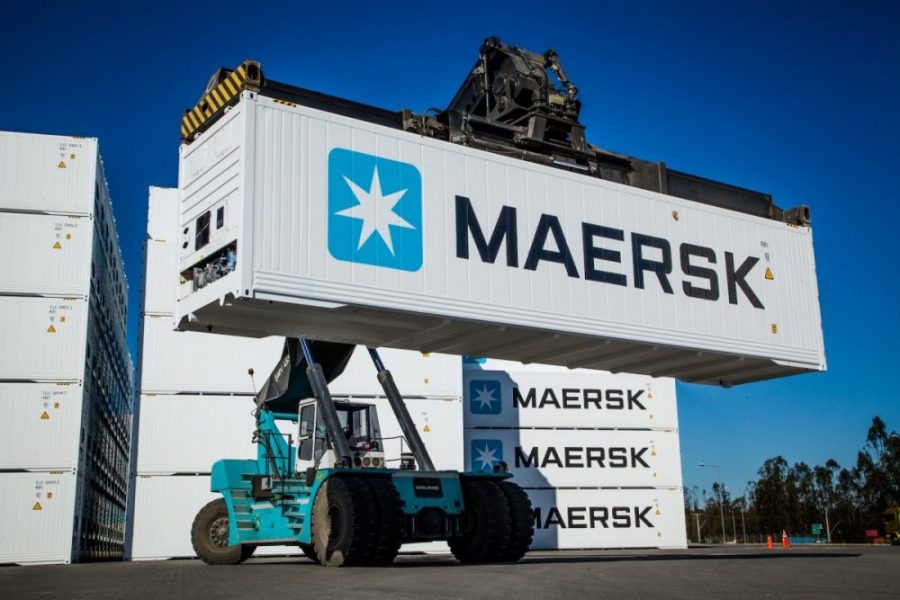
The draft presidential decree stipulates that foreign container lines will be allowed to call at russian ports only if the shipowner, carrier, and operator are registered under russian law – with the ultimate russian beneficiary holding more than a 50% stake. Besides, carriers are required to give priority to transporting sanctioned cargo and must have no ties to the world’s ten largest shipping groups. Among those explicitly mentioned there are Denmark’s Maersk, France’s CMA CGM, Hong Kong’s OOCL, and the UK’s X-Press Container Line.
The result is predictable: none of the world’s leading operators will meet these requirements. De facto, this is not market regulation but a market purge.
These strict access conditions are not seen as protectionism but as a tool for redistribution. While the top ten global players were already forced out in 2022 under the pressure of sanctions, the kremlin is now making their return legally impossible. Businesses willing to transport prohibited cargo under the russian flag stand to gain. The rest are left out in the cold.
Market participants have already calculated the losses. According to their estimates, the implementation of the decree could reduce the throughput of russian container terminals by 40–60%. Compensating for this volume with domestic carriers is an impossible task: the russian merchant fleet simply lacks the capacity to fulfill it.
The cargo flow will not disappear – it will shift to the ports of neighboring countries. Istanbul, Riga, Klaipėda, and other hubs serving transit to and from russia will benefit, while russia’s terminals, port infrastructure, and the budget will suffer.
russian importers and exporters will be particularly affected. The requirement for over 50% russian ownership will block access even for carriers from “friendly” countries – China, Türkiye, and the UAE. In other words, the decree hits not only the “hostile” Maersk and CMA CGM, but also those who have so far been saving russia’s foreign trade from a complete logistical blockade.
In the broader perspective, the document speeds up precisely what moscow supposedly seeks to avoid: complete exclusion from the global logistics network.