
Regions of the rf Can No Longer Withstand Financial Pressure
1/21/2026
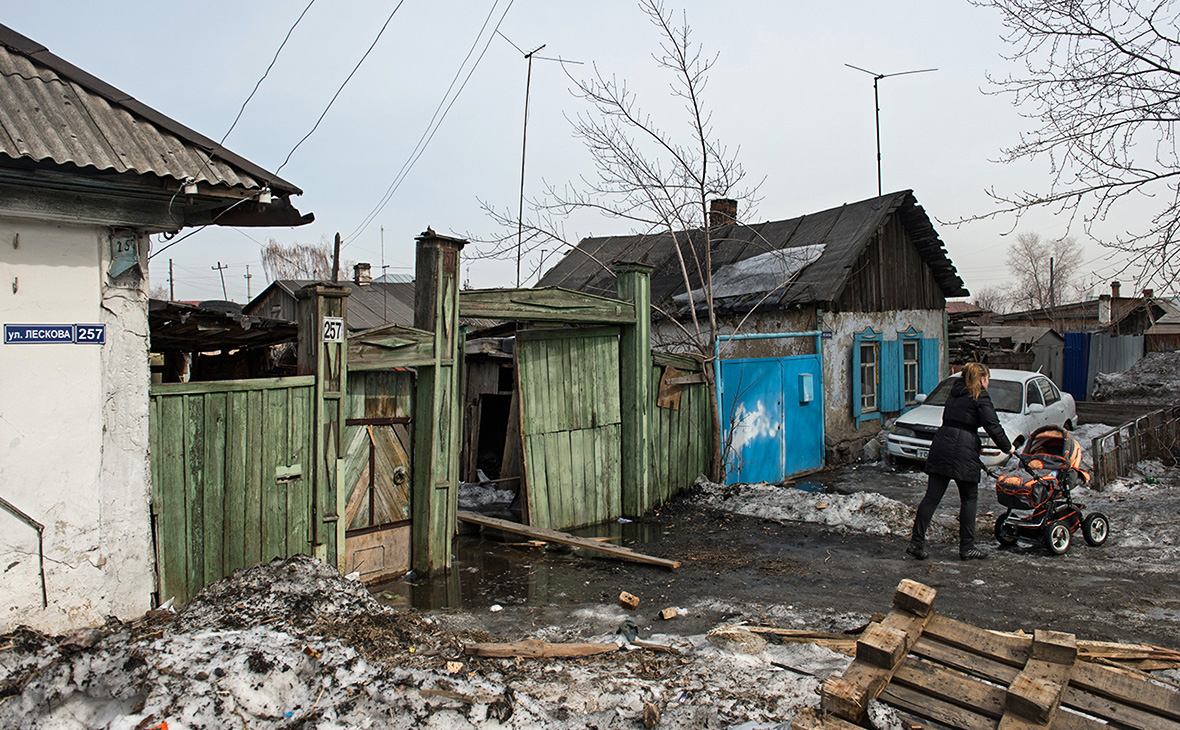
In early 2026, the budget crisis in the rf’s regions entered a practical phase, manifesting itself in massive delays in salary payments in the public sector. One of the most telling examples is the republic of khakassia, where education, healthcare, and emergency service workers have been left without pay. At the end of December 2025, the accounts of 30 schools and kindergartens were frozen due to debts, and the head of the republic publicly acknowledged that the payment issue had not been resolved.
The financial collapse has systemic roots. Falling prices for coal, oil, and metals have sharply reduced regional revenues. Export-oriented industries – metallurgy, coal, oil refining, and chemicals – have lost profitability due to weakening external demand. Additional pressure was created by a decline in revenues from small and medium-sized businesses, rising costs of indexing wages and social payments, and the effective closure of the debt market amid high interest rates.
In khakassia, the crisis is exacerbated by the region’s dependence on the coal industry, which previously accounted for a significant portion of the tax base. Over two years, the region’s budget has lost more than $1.146 billion. The authorities have switched to manual control: redistribution of funds, partial payments, delays for certain categories, and fragmentation of payments have become tools for containing social discontent, but not for resolving the problem.
The republic’s budget deficit for 2025 is estimated at approximately $61.2 million, and in 2026, it is projected to grow to $90.4 million. At the same time, khakassia is only part of the full picture. Similar imbalances are already forming in at least 15 regions of the rf. In kemerovo region, another coal-producing region, about 75% of companies in the industry are operating at a loss, and coal revenues in 2026 may decline by another $509 million.
The budget crisis in khakassia demonstrates the structural depletion of russia’s regional finances, especially in resource-dependent regions. Even if the kremlin tries to temporarily extinguish the problem with targeted subsidies and personnel decisions, this will not change the reality: the tax base is shrinking, while the possibilities for manual budget management are practically exhausted.