
russia Has Become a Market for Counterfeit Goods: Sanctions and the Departure of Brands Made the Quality of the Consumer Market Fall
2/19/2026
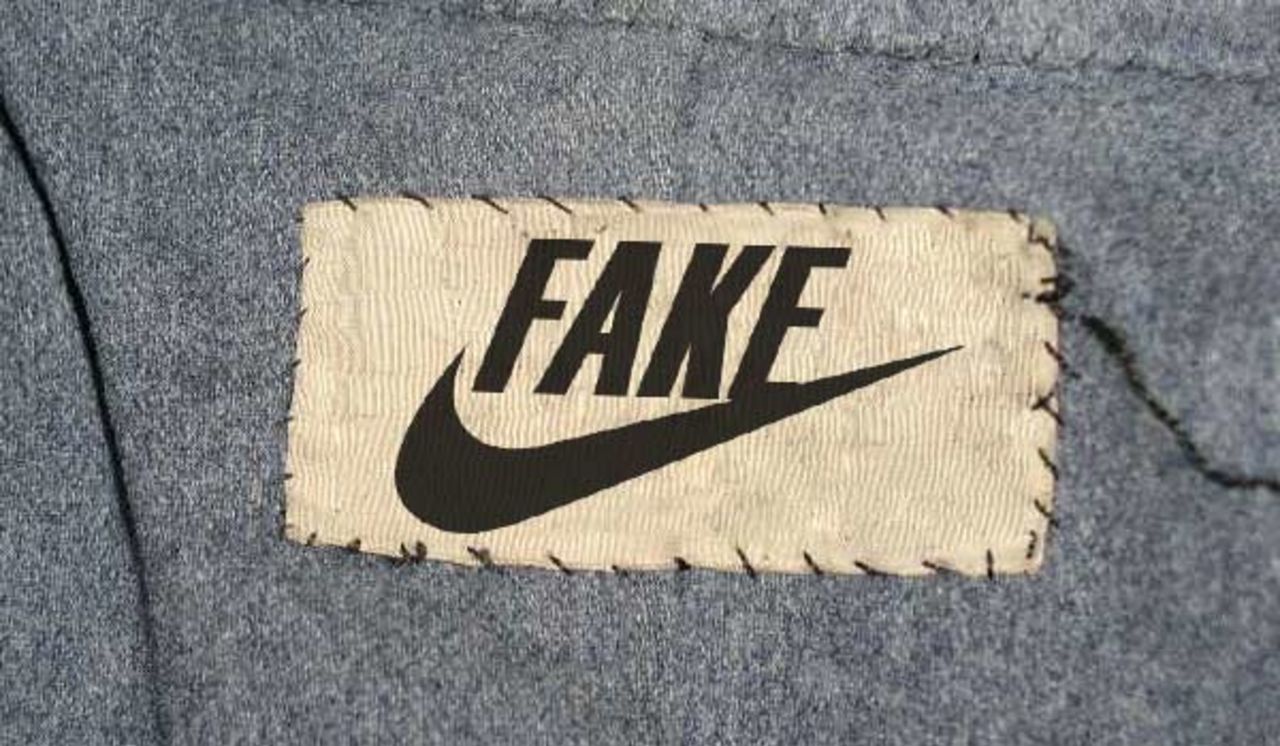
Not a single genuine pair. This was the conclusion drawn by experts from the bureau of expertise and evaluation after inspecting 1,300 pairs of Nike and Adidas shoes in brand stores in shopping centers in moscow, st. petersburg, kaliningrad, and chelyabinsk. 100% of the goods checked turned out to be counterfeit, with poor-quality materials, stitching, and fake markings. The inspection was prompted by consumer complaints, the number of which is growing every year.
In parallel, the Chinese marketplace Poizon, which positions itself as a platform with a multi-level Legit Check authenticity verification system, examined nearly 12,000 samples from russian online platforms. The results were predictable: 27% of Nike, New Balance, Jordan, and Adidas sneakers are counterfeit. Among luxury brands, the situation is catastrophic – 43% of Balenciaga products are fake. Products from A Bathing Ape and Stone Island are considered unsafe for online purchase, as are Gucci accessories.
The reasons are obvious. With the start of a full-scale invasion of Ukraine and the introduction of international sanctions, hundreds of foreign brands left russia, including H&M, Zara, Adidas, Nike, Puma, IKEA, Mango, and dozens of others. In 2025, the market shrank by another 20 brands. Even local players such as Incity, Megatop, Urban Vibes, and others fell victim to “optimization”.
russia’s consumer market resembles China in the 1990s, with the difference that there is no way out of this trap. By raising taxes on marketplaces, the kremlin is turning them into an expensive and even lower-quality sales channel. The outcome is predictable: more counterfeits, less choice.
Read more Nothing Will Be “Cheap” in russia Any Longer: Marketplaces Are Rapidly Raising Prices