
russia Is Concealing Outbreaks of Dangerous Animal Diseases
3/29/2026
European food and veterinary services (PVD) are urging citizens to refrain from purchasing pets from russia and belarus due to serious health risks. The reason is a recently confirmed case of rabies in a dog in Germany, which was brought into the EU via the Latvian border despite having all the necessary documents.
Experts emphasize that even official certificates do not guarantee safety, as widespread cases of forged veterinary certificates have been detected in the rf and the rb. The incubation period for rabies can last several months, and during this time the animal appears to be healthy but poses a deadly threat to humans and other animals.
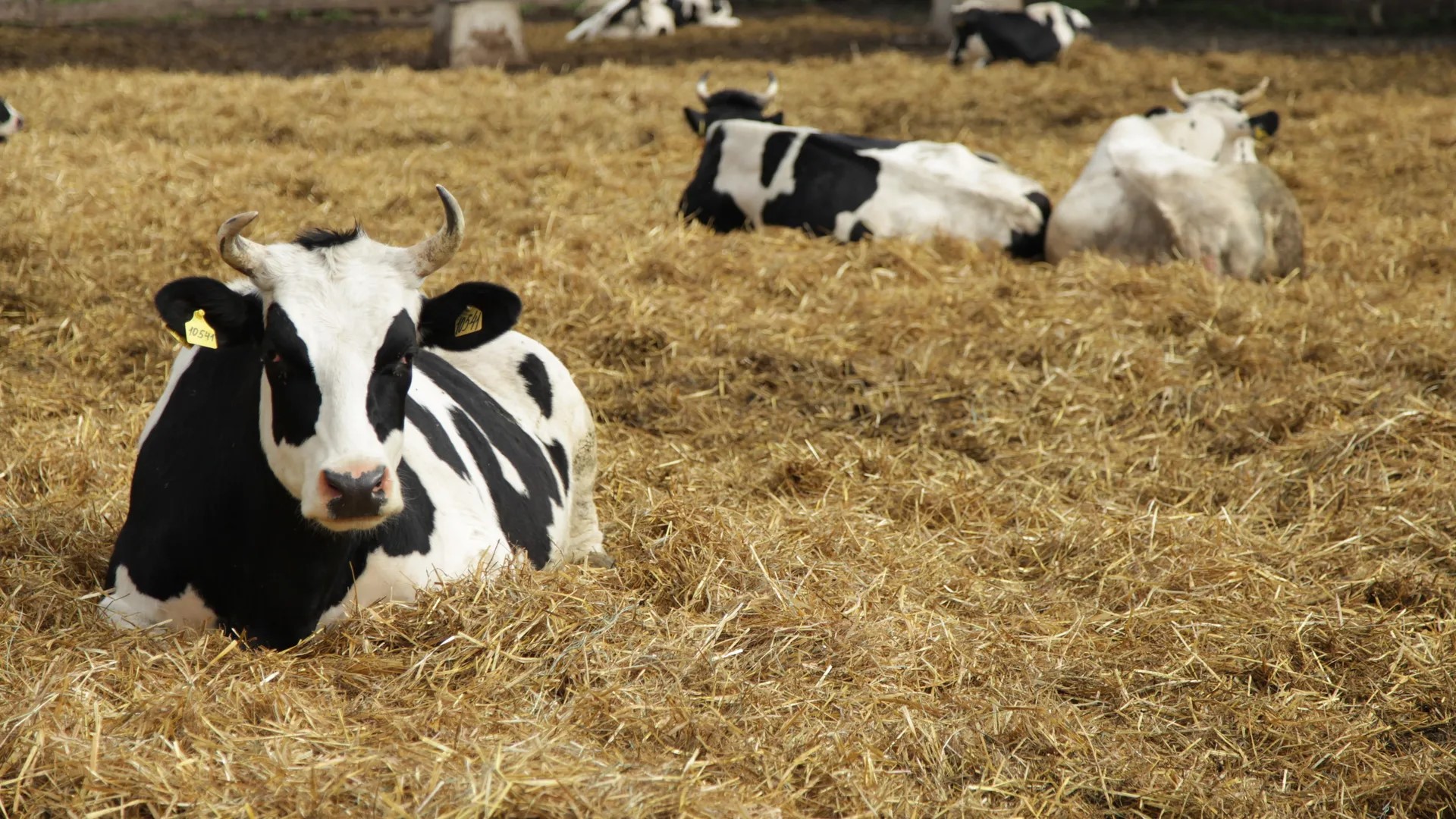
Against this background, suspicions are also growing regarding the epidemic situation in russia itself. According to the US Department of Agriculture, russian authorities may be concealing a far more dangerous disease – foot-and-mouth disease – which is already spreading among cattle in siberia, by masking it as less dangerous infections.
The mass culling of cattle, officially attributed to pasteurellosis and rabies, raises doubts among experts. The measures taken, particularly the wholesale slaughter of animals over wide areas – including burning them alive – are characteristic of efforts to fight foot-and-mouth disease, not milder illnesses.
Concealing the true situation may be linked to economic interests, as an official acknowledgment of foot-and-mouth disease would jeopardize russian livestock exports. At the same time, neighboring countries are already imposing restrictions on imports of animals and animal products from russia.
Traditionally, by concealing outbreaks of dangerous diseases, russia creates risks not only for its own population but also for other countries. European authorities are urging citizens to be cautious, not to purchase animals or livestock products from russia, and not to put themselves at risk.