
russian Space Increasingly Dependent on China
1/20/2026
The rf’s state policy in the space sector increasingly resembles an attempt to administratively mask the industry’s deep technological backwardness and poor operational performance. Instead of resolving systemic problems, the kremlin relies on expanding the powers of roscosmos, transforming the corporation into a financial and administrative center with the right to control resources, prices, and access to data.
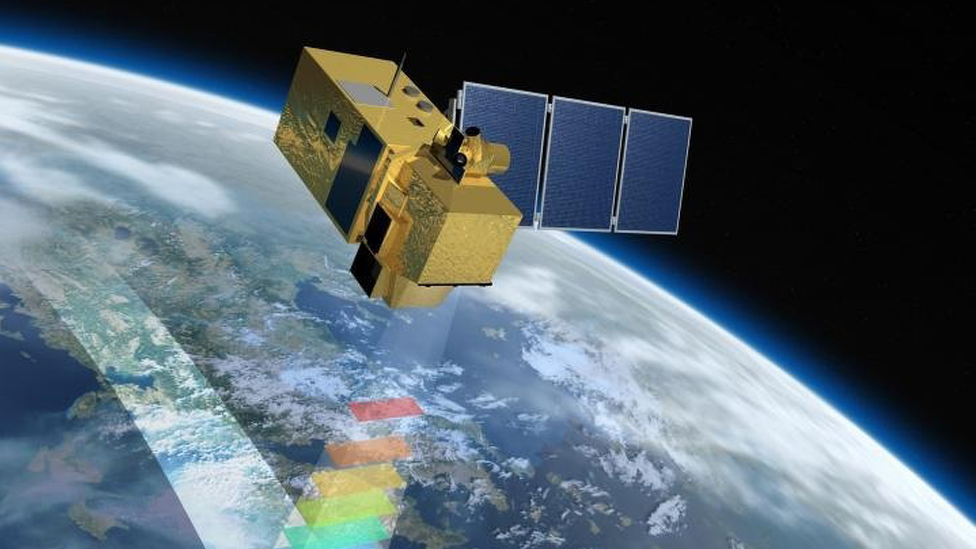
A key element of this model is the introduction, starting in 2026, of paid access for russian state agencies to Earth remote sensing (ERS) data, creation of a federal satellite image fund, and assignment to roscosmos of functions of pricing and procurement from private operators. In parallel, the industry is being pushed towards aggressive commercialization – through the issuance of bonds, expansion of corporate property rights and even legalization of advertising, which is more an attempt to patch up budget holes than strategic development.
Against this background, structural problems are only getting worse. The number of space launches has been steadily declining for the second year in a row, some companies are in financial crisis, while infrastructure modernization is being postponed. The industry remains vulnerable to sanctions and critically dependent on foreign ERS data, with a real risk of russian operators being displaced by cheaper Chinese products.
In fact, the rf’s space policy is increasingly subordinated to the needs of the russian armed forces in the war against Ukraine. The concentration of satellite data in the hands of roscosmos and the paid model for the state only allow for the redistribution of scarce resources. They do not change the basic reality: low launch rates, sanctions restrictions, and dependence on external, first of all Chinese, data sources will remain chronic problems for the russian space industry.