
russia’s Regional Authorities Are Once Again Reaching into the Pockets of the Population
1/13/2026
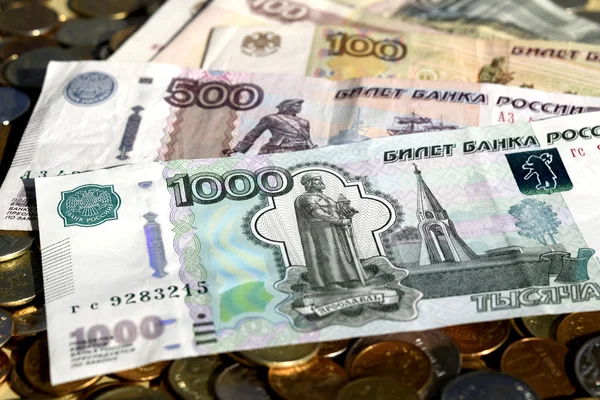
Authorities of seven russian regions are working on the launch of so-called people’s bonds – another tool designed to extract money directly from the pockets of the population. Formally, this is about financing infrastructure and social projects, as well as partially covering regional budget deficits, but in reality, it is about a lack of resources. The pilot program mainly includes subsidized regions of the far east: the khabarovsk, kamchatka, and primorsk territories, magadan and amur regions, chukotka autonomous district, and yakutia.
The proposal is presented as “safe” and “attractive”: fixed returns without market volatility, rates no lower than bank deposits, and in some cases up to 16-17% per annum, with a minimum investment of 1,000 rubles. The purchase is promised to be as simple as possible – through online platforms without brokerage accounts, with full digital identification. The volume of a single issue is limited to 1 billion rubles, ostensibly to maintain debt sustainability. It is precisely the excessive “generosity” of the terms that is traditionally a sign of increased risks – russian authorities have repeatedly used similar schemes, shifting financial problems onto citizens.
The key detail is the absence of strict earmarking of the funds raised. The money can go anywhere: from housing and utilities and transport to education and healthcare, or simply to cover current expenses. In the short term, this will help to temporarily plug budget holes and reduce pressure on the banking system. In the longer term, it will only exacerbate the deterioration of the regions’ financial situation: deficits will grow, income tax revenues will fall, while debts will be postponed to the future. There is no money in the system, so the authorities are once again turning to the population, masking the fiscal crisis with attractive promises which usually end in disappointment.