
Sanctions Are Crippling russia’s Oil Sector
1/12/2026
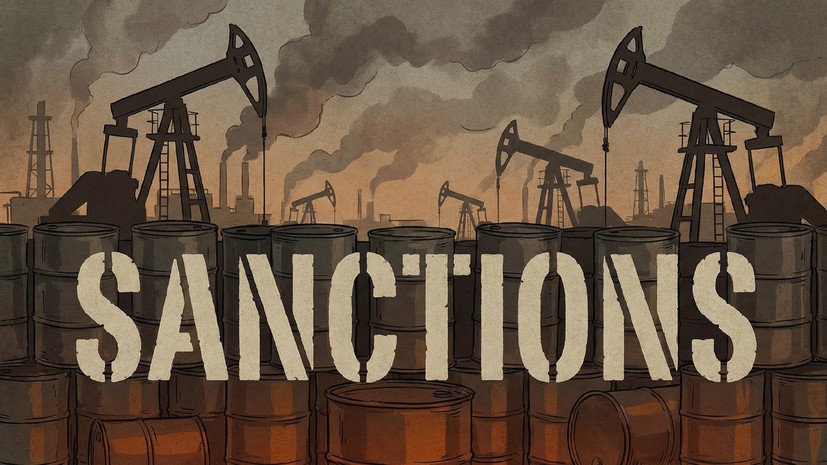
russian oil companies sharply reduced crude oil production in December 2025, recording one of the worst figures in the last year and a half. Average daily production fell to 9.326 million barrels amid increased Western sanctions pressure on buyers of russian raw materials, which is increasingly paralyzing export channels.
The current level is by more than 100,000 barrels per day lower than in November and almost 250,000 barrels below the quota set under the OPEC+ agreements. This reduction is the largest since June 2024, highlighting the deepening structural problems in the industry rather than temporary fluctuations.
The sale of russian oil abroad is becoming increasingly complicated. Despite exports from russian ports remaining at around 4 million barrels per day, increasing volumes of raw materials are left without end buyers. Since late November 2025, the volume of unsold russian oil, which is mainly stored at sea, has increased by about 30 million barrels to 185 million barrels, exacerbating logistical and financial risks for producers.
An additional restraining factor remains the fall in world oil prices, which sharply reduces the profitability of production. Under these circumstances, russia’s quota under the OPEC+ agreement of 9.574 million barrels per day will remain unfulfilled: companies have no economic incentives to increase production under current price parameters.
All these factors point to the systemic nature of the crisis in russia’s oil sector. Even if prices stabilize, russia will hardly manage to quickly return to OPEC+ quotas. This means inevitable shortfalls in foreign exchange earnings and increased pressure on the federal budget in 2026, forcing the kremlin to compensate for losses by increasing the tax burden on other sectors, more actively using debt instruments, or reducing investment – steps that will only deepen the degradation of the oil industry.