
The Banking Crisis in russia Has Already Begun
2/5/2026
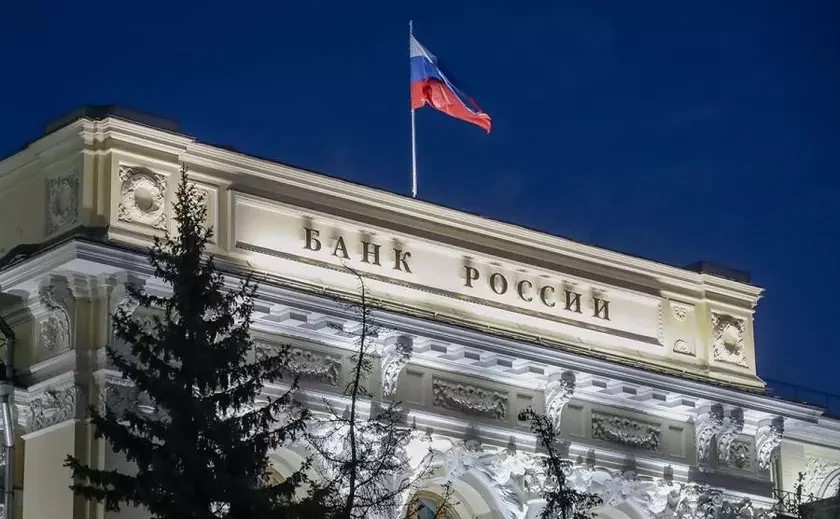
In 2025, russia’s banking system lost its key signs of stability, despite the regulator’s reassuring rhetoric. Banks’ net profit fell by 8% compared to 2024 and amounted to $45 billion, while return on equity fell to 18%. The deterioration in financial results occurred against the background of a sharp increase in provisions and the rising cost of attracting resources caused by tight monetary policy. These indicators point not to a cyclical slowdown, but to the beginning of a deeper dysfunction in the sector.
At the same time, the quality of the loan portfolio is deteriorating. The share of non-performing loans rose to 11%, and of unsecured loans – to 12%. Such default rates contradict the official statements about stability and indicate systemic problems that can no longer be explained by individual segments or temporary shocks.
Even analysts from the kremlin-affiliated center for macroeconomic analysis and short-term forecasting have effectively acknowledged the onset of a systemic banking crisis. According to their estimates, the current apparent stability is not based on fundamental recovery, but on the dominance of state-owned banks, massive restructuring of problem assets, and regulatory easing. This model only postpones the crisis, while increasing the risk of a rapid and large-scale outflow of deposits if the situation worsens.
The declared stability of the russian banking system appears artificial. The central bank of the rf has effectively switched to manual risk management, allowing banks to hide problem loans under the guise of restructuring. Under these circumstances, official data only mask the real scale of losses. The banking sector will inevitably require additional state support, which will increase fiscal and macroeconomic pressure on the rf’s economy and cement the crisis as a long-term factor.