
The EU Is Systemically Developing a Collective Defense Mechanism
4/23/2026
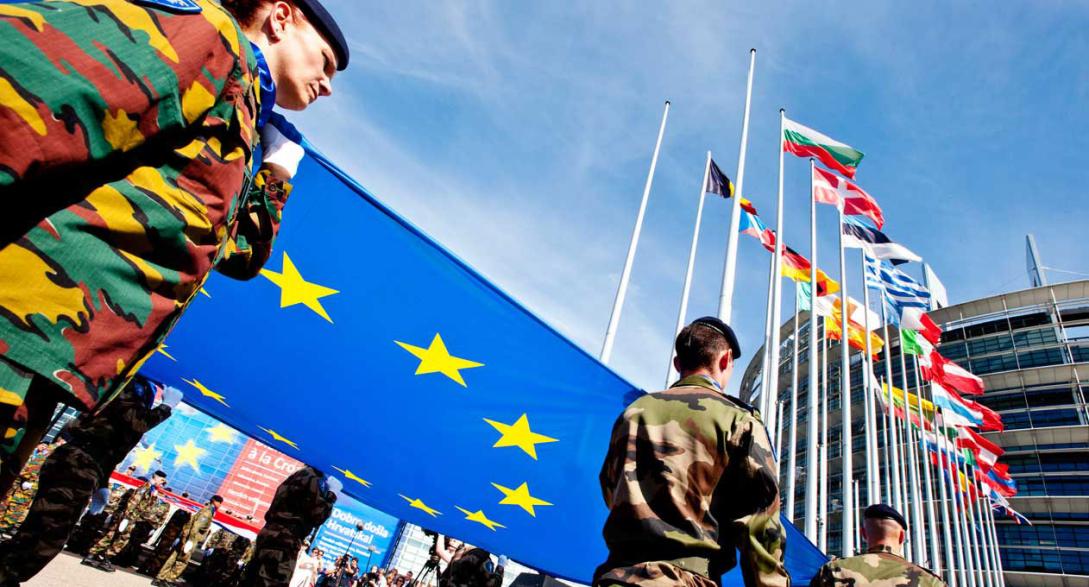
The European External Action Service (EEAS) is preparing to conduct a special tabletop exercise – a simulated crisis analysis without the actual deployment of forces – dedicated to the practical implementation of Article 42.7 of the Treaty on European Union. The event will be led by the High Representative for Foreign Affairs and Security Policy Kaia Kallas. The same topic is planned to be discussed at the informal summit of EU leaders, which will take place on April 23–24 in Nicosia.
Article 42.7 is a provision on mutual assistance: if one of the member states is subjected to an armed attack, the others are obligated to provide support by all means available. However, in the seventy years of European integration, this mechanism has been invoked only once – following the terrorist attacks in Paris in November 2015, when France turned to its partners for assistance.
The fundamental difference between Article 42.7 and Article 5 of the North Atlantic Treaty is the broader interpretation of assistance. NATO focuses primarily on a military response. The EU, on the other hand, provides for a full range of instruments: from military support to humanitarian, financial, and energy assistance.
The EEAS is simultaneously preparing a separate document detailing the practical application of security guarantees under Article 42.7. During the exercise, special attention will be paid to complex scenarios, including situations where several states simultaneously request assistance from the EU.
The strikes by Iranian drones on territory of Cyprus in March 2026 provided additional impetus for the discussion – the first such incident directly on EU territory. It clearly demonstrated that threats to member states are no longer abstract.
The steps described reflect a broader trend: Brussels is consistently expanding its own security tools without seeking to duplicate the functions of the North Atlantic Alliance. The institutionalization of Article 42.7 fits into this logic: the EU wants to have its own, well-established crisis response mechanism capable of acting swiftly and independently of decisions made outside the Union.