
The kremlin Has Declared a Hunt for russians’ Money
4/24/2026
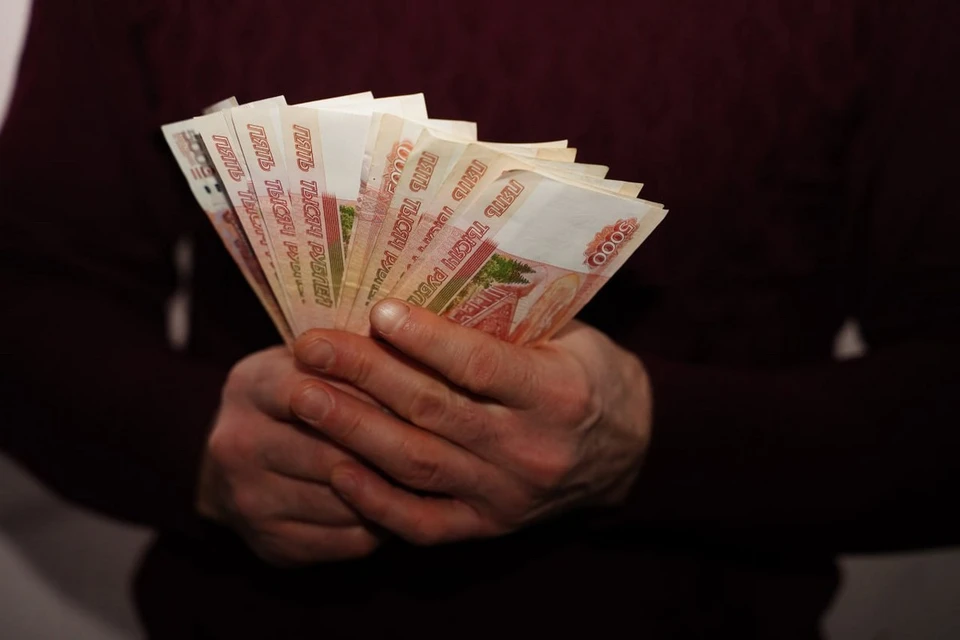
Three months into the year – and the rf has already “gobbled up” more than it had planned to spend in a whole year. The federal budget deficit for the first quarter of 2026 reached 4.6 trillion roubles – and this despite the fact that the total planned annual figure stands at 3.8 trillion.
Now the kremlin is frantically searching for sources of money. One of the most telling examples is the postponement of the ban on betting at bookmakers for the incapacitated, minors and debtors. It would seem a basic social protection measure. But the ministry of finance has openly admitted that its implementation threatens to lose up to 27 billion rubles in tax revenue and a further 14 billion in earmarked sports funding. The number of bookmakers’ customers could fall by a third as a result. Protecting the vulnerable is simply too expensive for russia’s budget.
This is just one piece of a vast fiscal mosaic. putin has instructed the government to look into introducing a windfall tax – a tax on excess profits for 2025 at a rate of 20%. A previous precedent – a similar levy for 2021–2022 – brought in 318.8 billion rubles to the budget. Now the appetite has changed, and businesses will be the first to feel it.
In parallel, the customs service has begun imposing additional duties on goods from “unfriendly” countries imported via the Eurasian Economic Union. The rates range from 15% to 50%. Clothing, cosmetics and non-food items will all become by at least 15–30% more expensive. In other words, the russian state is now adding to the sanctions pressure on its own citizens.
A separate issue is total financial control. The new law will grant tax authorities automatic access to central bank data on individuals with “unaccounted” incomes of 2.4 million rubles or more. The central bank, for its part, will be obliged to “detect any anomalies”. Where the line between tax administration and total surveillance lies is a rhetorical question.
Other initiatives include the introduction of VAT on foreign goods from marketplaces (in stages: 7% in 2027, 14% in 2028, 22% in 2029), legalization of online casinos with projected annual revenue of 100 billion rubles, and an increase in property tax for owners of three or more flats.