
The kremlin Notes a Surge in Juvenile Crime and Looks to the Internet for Answers
4/22/2026
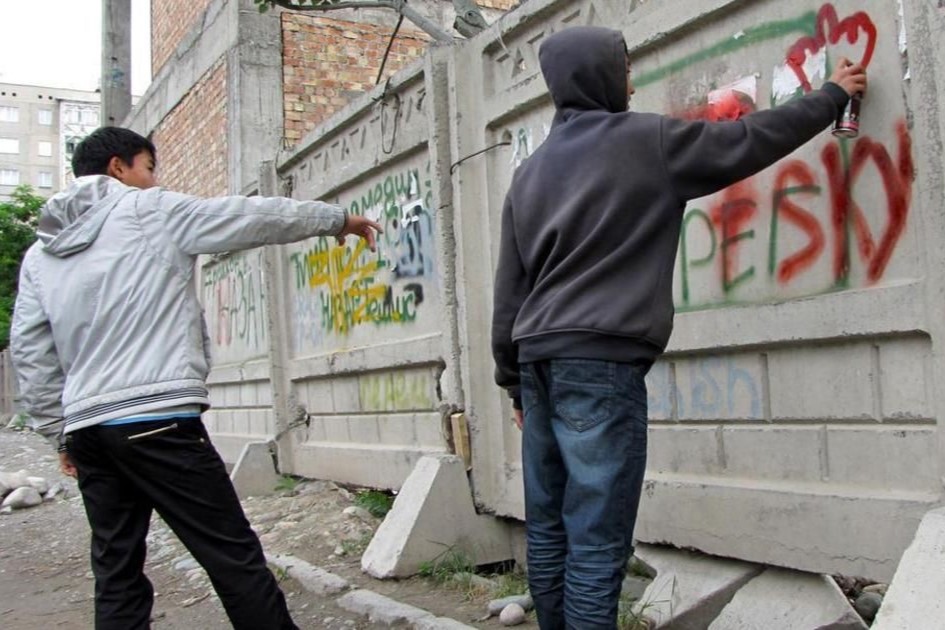
At an expanded meeting of the interior ministry board, putin stated: in 2025, the proportion of serious and particularly serious crimes involving minors exceeded 40%. The explanations are familiar – “hidden family problems” and a “destructive information environment”. In other words, it’s all complicated, but the blame lies somewhere between parents and the faceless internet.
The dry statistics is less abstract. Last year, minors committed over 22,000 crimes. sverdlovsk, chelyabinsk, and irkutsk regions are among the leaders. Even in moscow, which traditionally tries to live in a different reality, juvenile crime has risen by 150%.
Head of the main directorate of internal affairs of the city of moscow baranov, explained it simply: “Even children from ‘well-off’ families turn to crime because of the influence of the internet”. Prosecutor general gutsan added: “The number of teenagers involved in terrorism and extremism has doubled over the past year. And, of course, they were ‘recruited’ online.” Ultimately, all the reports sound like variations on a single theme – the internet is to blame for everything.
This rhetoric stands in sharp contrast to what was being said just a year ago. At a similar meeting, putin assured everyone that over the past ten years, the rate of juvenile crime had more than halved – thanks to the “joint efforts of the government, the education system, and civil society”. Now those same institutions have been given a new task – to urgently salvage a situation that was considered a success story just yesterday.
Against this background, a familiar scenario is unfolding. The kremlin is shaping the narrative to frame the issue as a problem that must be addressed quickly and decisively. The first step is to convince parents that their children are in danger. Next come decisions that would have seemed excessive just yesterday: mandatory membership in the “movement of the first” or the “new komsomol”, restrictions on “uncontrolled” use of gadgets, and appropriate quotes from the “leader” instead of random videos.
The logic is simple: if a teenager can be brought under state control, it will be presented as care. The alternative – prison – is always close at hand as an argument.