
The kremlin’s New “Moral” Vertical Is Preparing russians for a Long War Against Ukraine and the West
2/17/2026
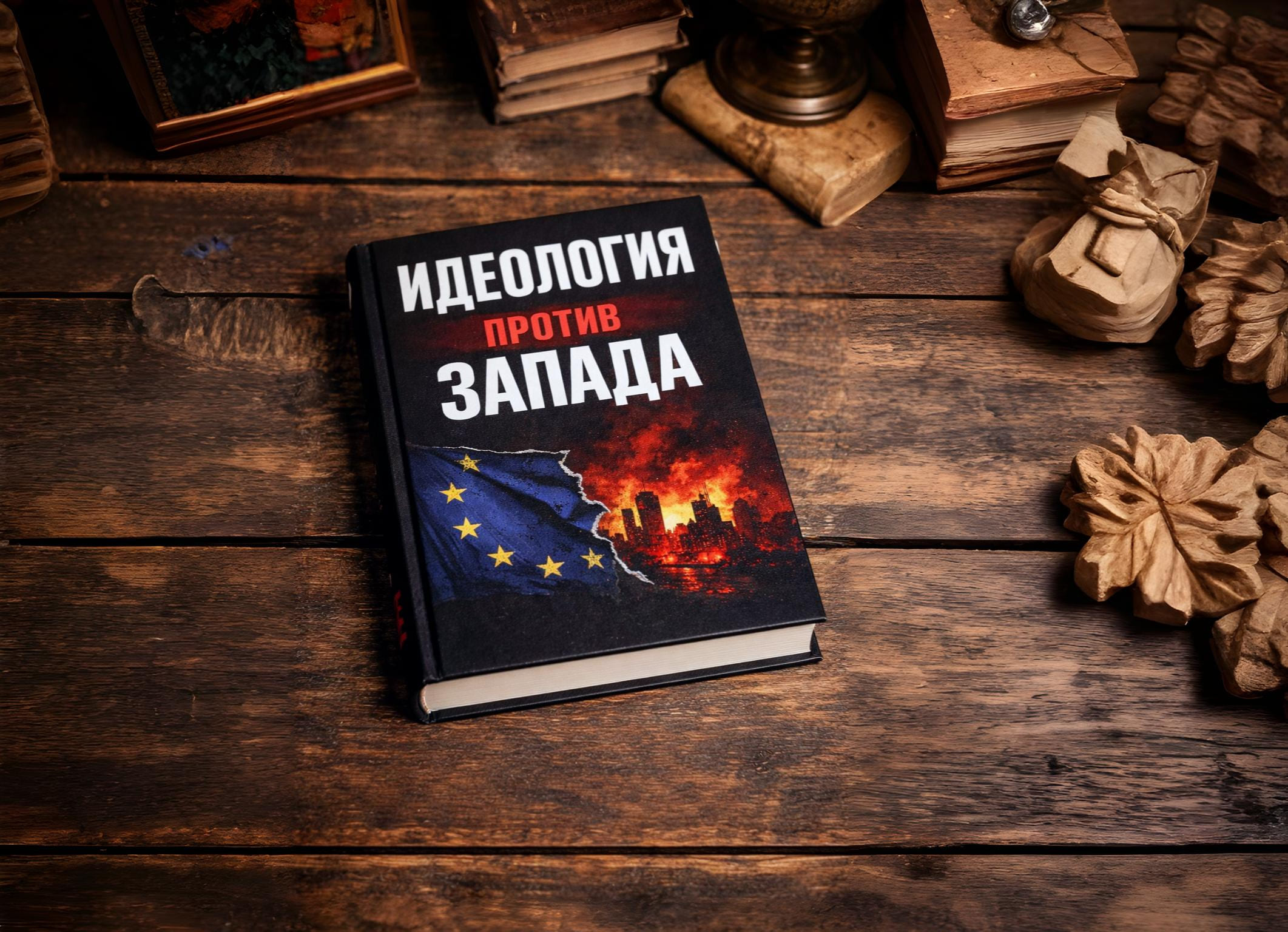
The kremlin is preparing to institutionalize its policy of “traditional values”, considering the creation of a permanent interdepartmental group to systemically promote this narrative in the russian information space. Formally, the initiative is presented as an attempt to create a “family-oriented environment”, but the set of planned tools suggests a further tightening of ideological control.
From March 1, 2026, a ban on the screening of films that allegedly discredit “traditional values” will come into force: they will not receive certificates of rating, will be removed from major online platforms, and fines will be imposed for their screening. In parallel, starting in the 2026/2027 academic year, schools will introduce a subject called “spiritual and moral culture of russia”, while universities plan to digitally test students for compliance with the state’s ideological guidelines.
This formulation of a “values-based” policy is part of a broader domestic political strategy: through a moral and ideological agenda, the authorities seek to consolidate society, increase loyalty to the center of decision-making, and at the same time strengthen control over the information environment. Shifting the focus from economic difficulties to cultural conflicts also reduces political risks for the kremlin.
In terms of foreign policy, the institutionalization of this doctrine reinforces the presentation of the war against Ukraine as a long-term civilizational confrontation with the West. This framework expands the government’s ability to justify high military spending, further restrictions on civil liberties, and redistribution of resources in favor of security forces, making ideology a tool of governance in a protracted confrontation.