
The UAE’s Exit from OPEC Will Deal a Blow to russian Oil Production
5/6/2026
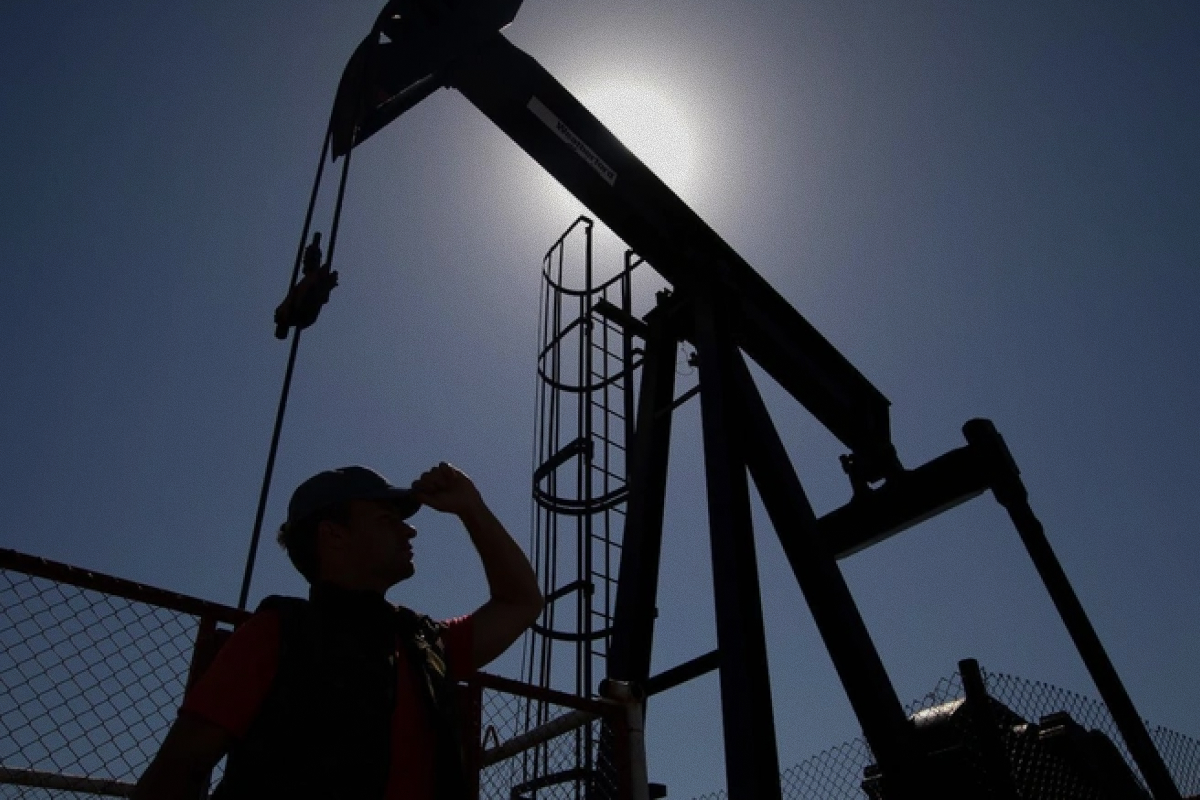
One of the UAE’s key players has announced its intention to withdraw from OPEC and OPEC+. The cartel, which for years has kept oil prices afloat by artificially limiting supply, may simply cease to exist as a regulatory mechanism. For the rf, this is more than just bad news.
Today, the UAE produces about 3 million barrels per day. Its actual capacity is 5 million. If Abu Dhabi breaks the agreements and opens the tap, the market will face a surplus that cannot be ignored. Other players will follow the Emirates – everyone will rush to recapture market share by ramping up production. Prices will slide downward.
The rf’s problem is that it had lost this race before it even began. The cost of a barrel in the UAE and Saudi Arabia is $5–15. Desert terrain, short logistics, and a pipeline to the port of Fujairah bypassing the Strait of Hormuz – it’s cheap and reliable. The rf, on the other hand, has depleted fields, permafrost, and Arctic projects with costs that were justified only by high global prices. If prices fall to $30–40 per barrel, Urals crude, with its traditional discounts and expensive logistics, becomes unprofitable.
And moscow cannot respond in kind. The Emirates can quickly ramp up production by 2 million barrels if needed. The russians cannot: wells in permafrost cannot be stopped or restarted at will. Improper conservation means losing the field forever. In other words, even the strategy of “beating the price with volume” is physically impossible for the rf.
Without windfall profits and with sanctions on equipment, investment in the exploration of new fields will grind to a halt. The industry that has been financing the kremlin for decades will begin to die. While the rf tries to hold on at any cost, Saudi Arabia and the UAE will methodically push it out of Asian markets – China and India – by offering cheaper, higher-quality oil without sanctions risks for the buyer.
For a country where oil is the budget, the army, and pensions all at once, such a scenario spells disaster.