
Türkiye Is Reshaping Its Religious Influence in Europe
4/22/2026
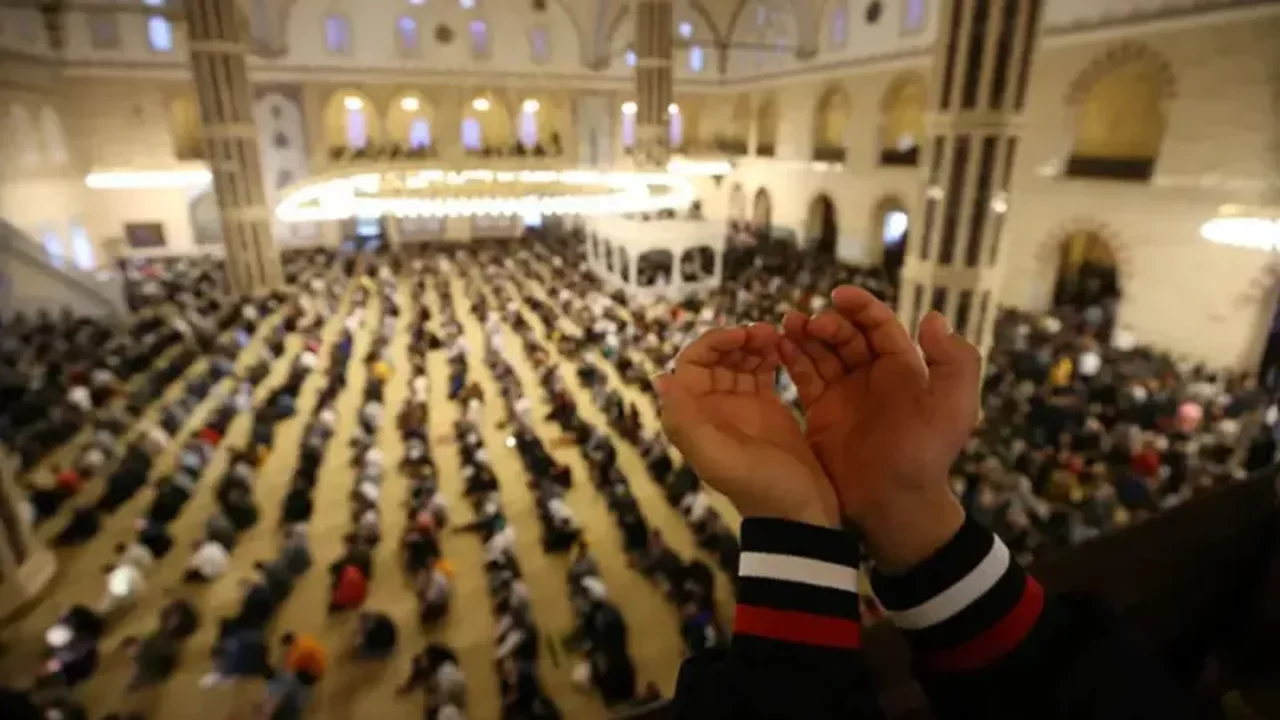
Türkiye’s Presidency of Religious Affairs (Diyanet İşleri Başkanlığı) has developed a long-term strategy aimed at preserving and expanding Ankara’s religious and humanitarian presence abroad, first of all in European countries. The impetus for this was the European governments’ tightening of restrictions on external religious influence: vetting of foreign imams, accreditation requirements, and control over mosque funding.
The agency has existed since 1924. It was established at that time so that the secular Turkish state could control religious life within the country. Today, it oversees approximately 85,000 mosques in Türkiye itself, while its international network includes 77 religious advisors, 54 attachés at diplomatic missions, and over 1,500 religious figures working abroad.
A key change in the new strategy is localization. Instead of sending imams from Türkiye, Diyanet is focusing on training local religious leaders from within the Turkish diaspora. This allows not only for circumventing some regulatory requirements but also for creating more sustainable structures that are less visible to regulatory authorities. The International Theological Program (UIP) has already trained over 1,200 specialists from 15 countries.
Another key area is financing. A significant portion of overseas activities is funded not directly through the state budget, but through the government-controlled Türkiye Diyanet Vakfı foundation and donations from diaspora communities. This mechanism complicates the work of European regulators who monitor foreign funding of religious organizations.
In parallel, Diyanet is expanding its educational and humanitarian presence. The International Imam Hatip Schools Program (UIHP) covers forms 5 through 12 and currently has nearly 2,000 students from over 110 countries – a total of 3,655 people have already completed the program. Such institutional dependence ties diaspora communities to structures linked to Ankara far more effectively than any direct propaganda.
Equally important is the work with adolescents. The program for fostering values and virtuous youth invites individuals aged 13 to 25 to Türkiye for religious and cultural education. Over the past six years, more than 5,300 people have participated in it. The goal is to support the cultural and religious identity of the diaspora and ensure its lasting connection with the homeland.
Finally, Diyanet is actively developing international platforms: it organizes major summits involving religious leaders from Africa, Asia, and Latin America, mobilizing participants through transnational networks, particularly those associated with the Muslim Brotherhood movement.