
War As a Breeding Ground for Scams: in russia, Fraudsters Are Preying en Masse on Military Payments
3/16/2026
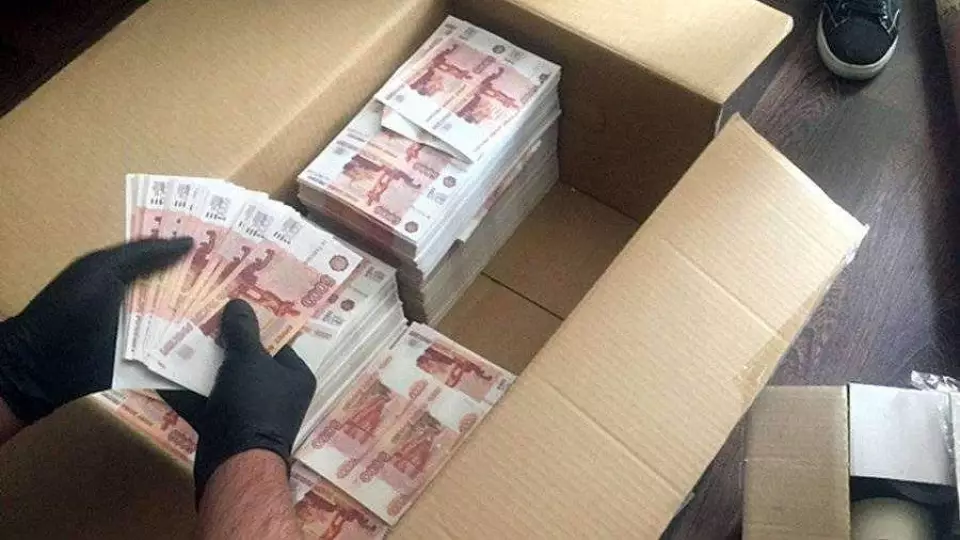
In russia, another side effect of the war is becoming increasingly apparent – a wave of fraud surrounding the money the state pays to participants in the “special military operation”. These payments have become prey for scammers – ranging from small-time crooks to quite systemic schemes involving officials and developers.
One of the most telling examples is the situation in dagestan. A scandal has erupted there involving a developer who had been selling flats in residential complexes that did not actually exist. According to local sources, more than two thousand people fell victim to that scheme. Among those who decided to invest in “square footage” there was a significant portion of participants in the aggression against Ukraine. The hope for quick housing or a profitable investment turned into a story typical of the russian real estate market – paper deals without actual construction.
The authorities’ reaction was also predictable. Head of dagestan, mergiy melikov, stated that buyers had demonstrated “insufficient legal literacy” by purchasing housing without properly verifying the documents. At this, officials claim that construction was allegedly banned as early as 2023, although court documents show that construction work and flats sales continued long after that.
Such schemes are nothing new in dagestan. The illegal construction market there has been operating for years at the intersection of the interests of developers, officials, and law enforcement agencies. Often, illegal structures are later “regularized” through the courts, after which the rulings – issued already in the name of the rf – effectively legalize the violations.
However, scams involving the money of the military are not limited to real estate. In volgograd region, law enforcement officers detained a pair of fraudsters who swindled a participant in the “special military operation” out of 1.5 million rubles. They intimidated a resident of the village of zaplavnoye with fabricated child support debts and convinced him to sign a contract with the ministry of defense of the rf, supposedly to avoid criminal liability. After that, the man was forced to enter into a sham marriage with his accomplice’s mother and hand over his bank cards – along with access to his payments.
Such stories demonstrate the stark reality of the russian wartime economy: everyone – from officials to random con artists – is trying to profit from the war. Scammers regularly swindle money from servicemen’s relatives by posing as commanders, lawyers, or intermediaries who supposedly can help secure payments or bring soldiers home. And while small-time scammers are sometimes caught, systemic problems – corruption, lack of control, and the authorities’ willingness to blame the victims themselves – remain unchanged.