Ivan Buchko: “Our Church Was the First to Suffer Persecution from the reds” (to the 80th anniversary of the Lviv pseudo-council of the UGCC)
3/3/2026
Based on declassified documents from the mgb/kgb of the ussr, the Foreign Intelligence Service of Ukraine is launching a series of publications to mark the 80th anniversary of the Lviv pseudo-council (March 8–10, 1946). These materials supplement the already known information about the stalinist regime’s special operations to liquidate the Ukrainian Greek Catholic Church (UGCC) and absorb it into the russian orthodox church (roc). In particular, new documents have been discovered and processed in the FISU (Foreign Intelligence Service of Ukraine – Transl.) archives concerning the operational cultivation of Bishops Ivan Buchko and Teodor Romzha, organization of similar pseudo-councils, and implementation of other special measures to destroy the Greek Catholic Church in Transcarpathian Ukraine and in the countries of Eastern and Central Europe.
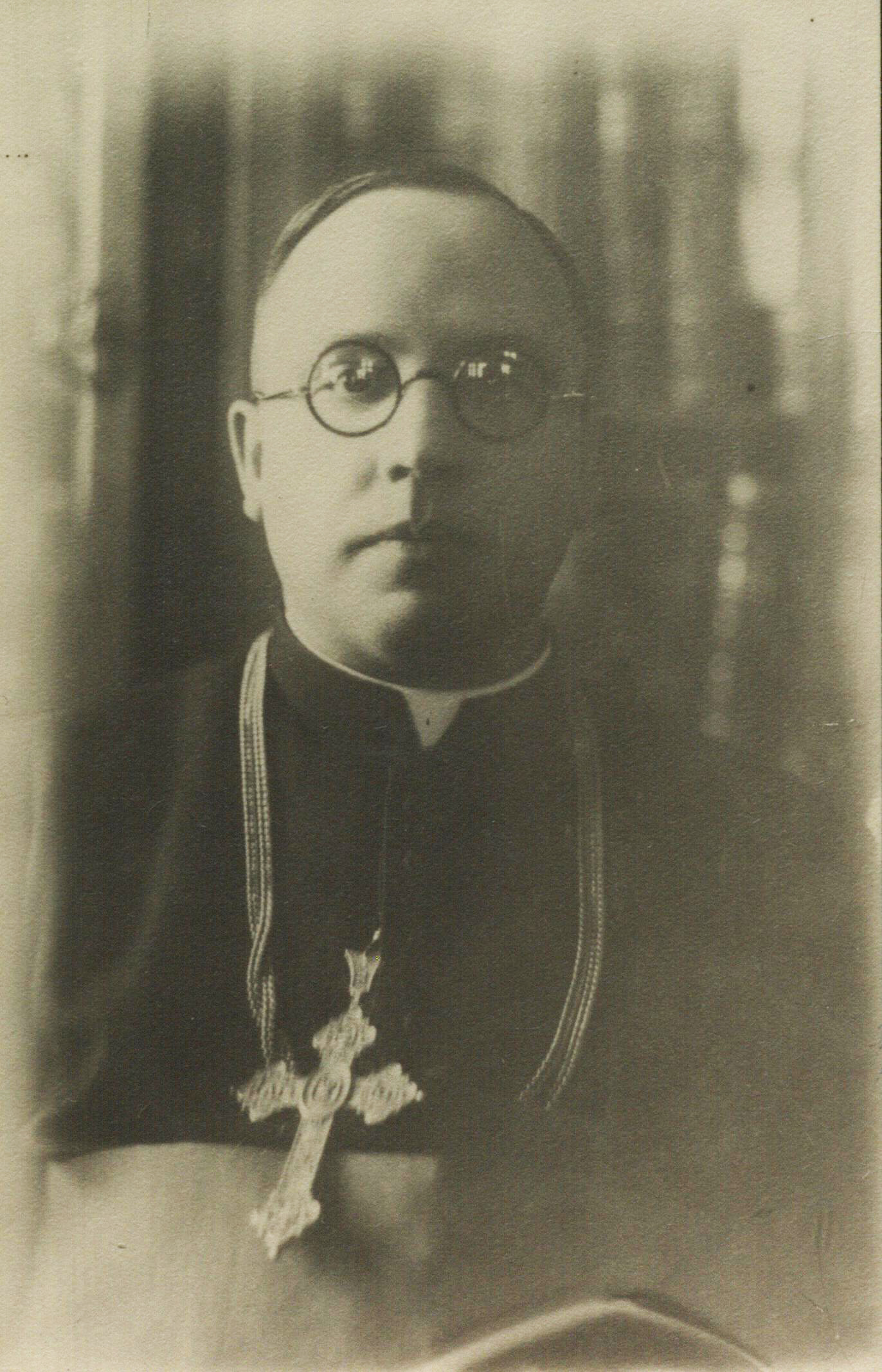
After the arrests of the UGCC episcopate in Galicia in 1946, Ivan Buchko remained the only Greek Catholic clergyman of such high rank whom the chekists could not reach, imprison, pressure, or silence. Having connections with influential people and direct access to the Pope, he provided spiritual care to those fleeing bolshevik rule, criticized the stalinist regime for destroying the church, and worked to ensure its existence and development in the diaspora. This greatly irritated the kremlin leadership and its special services.
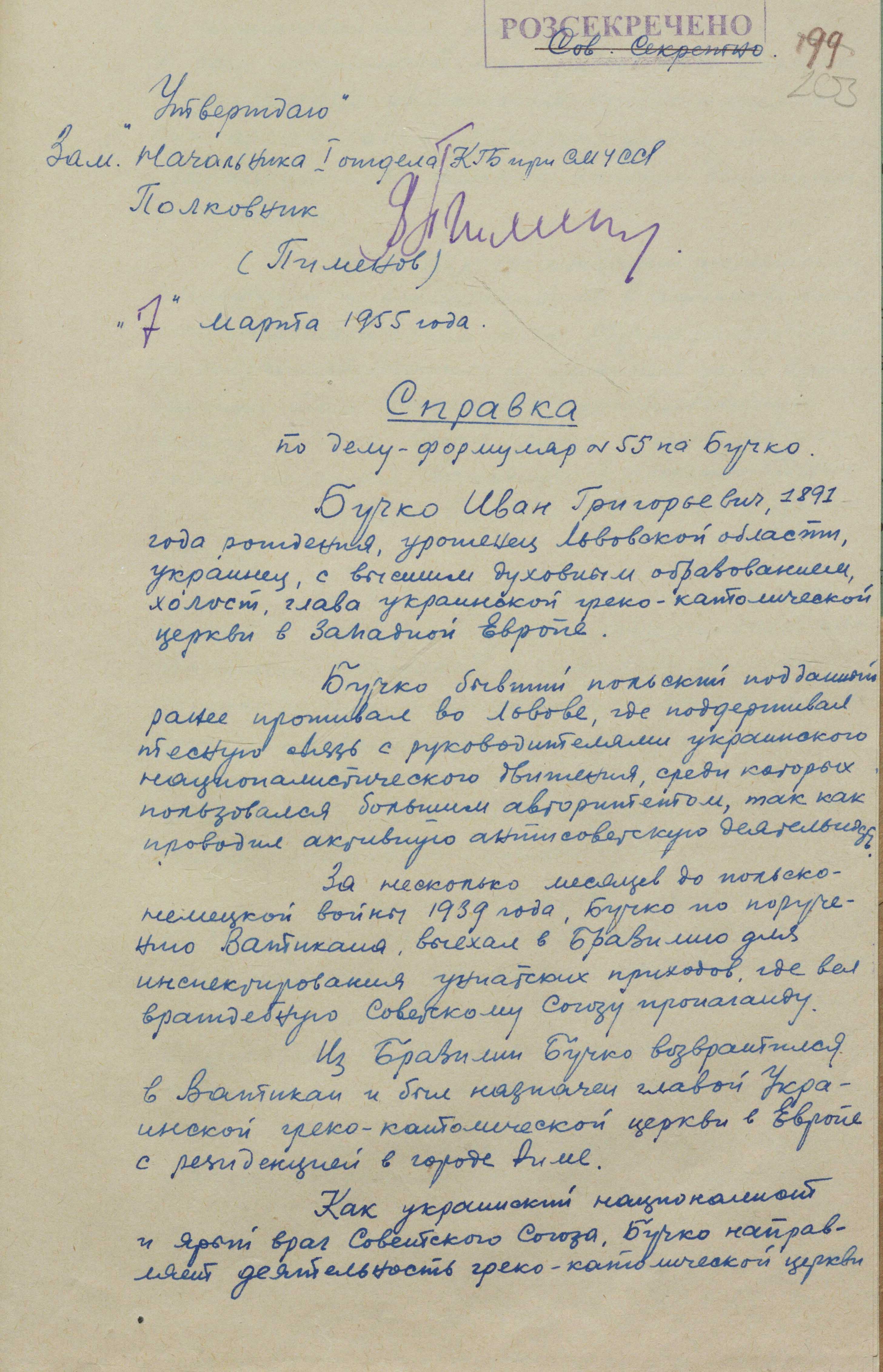
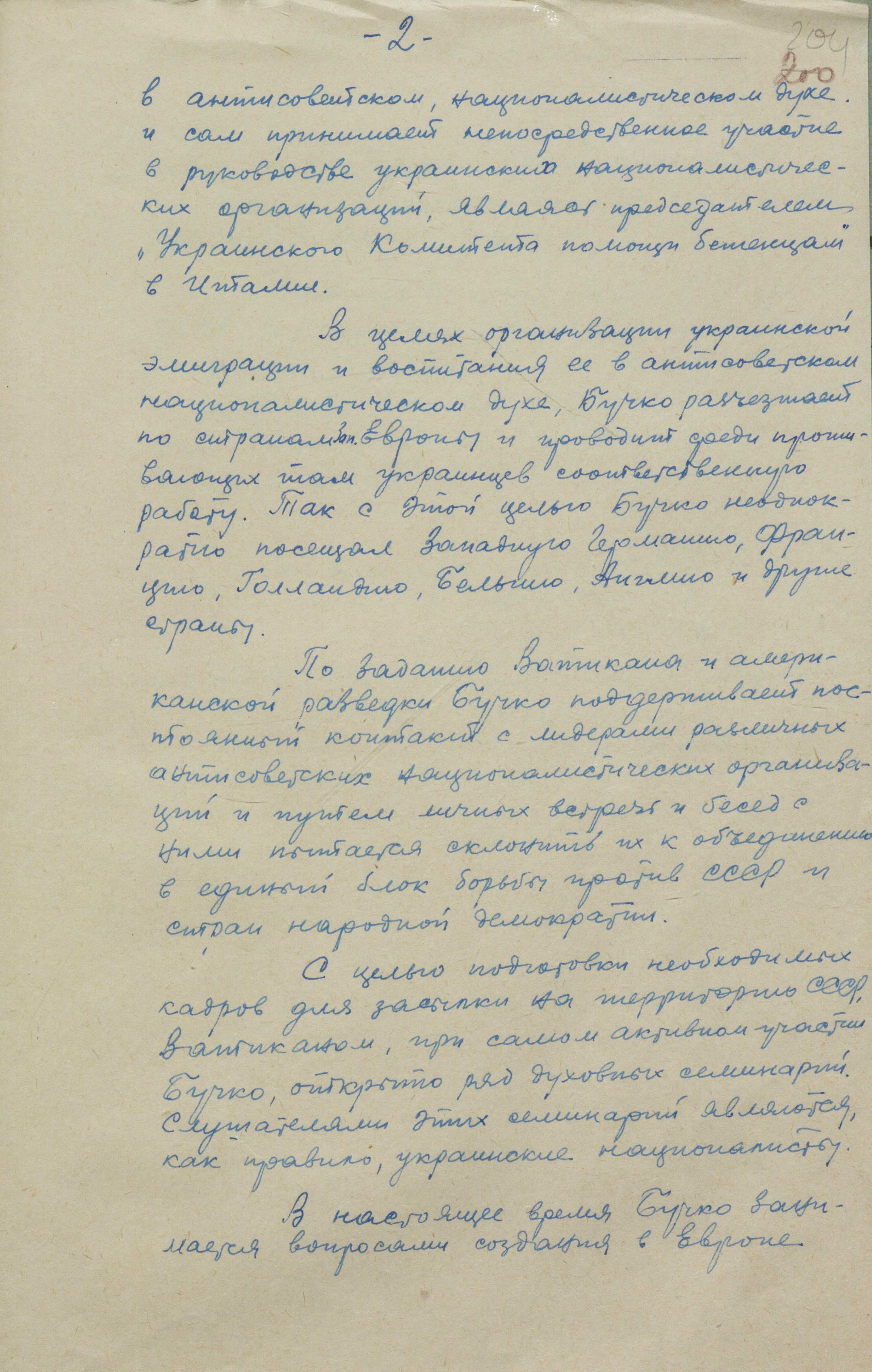
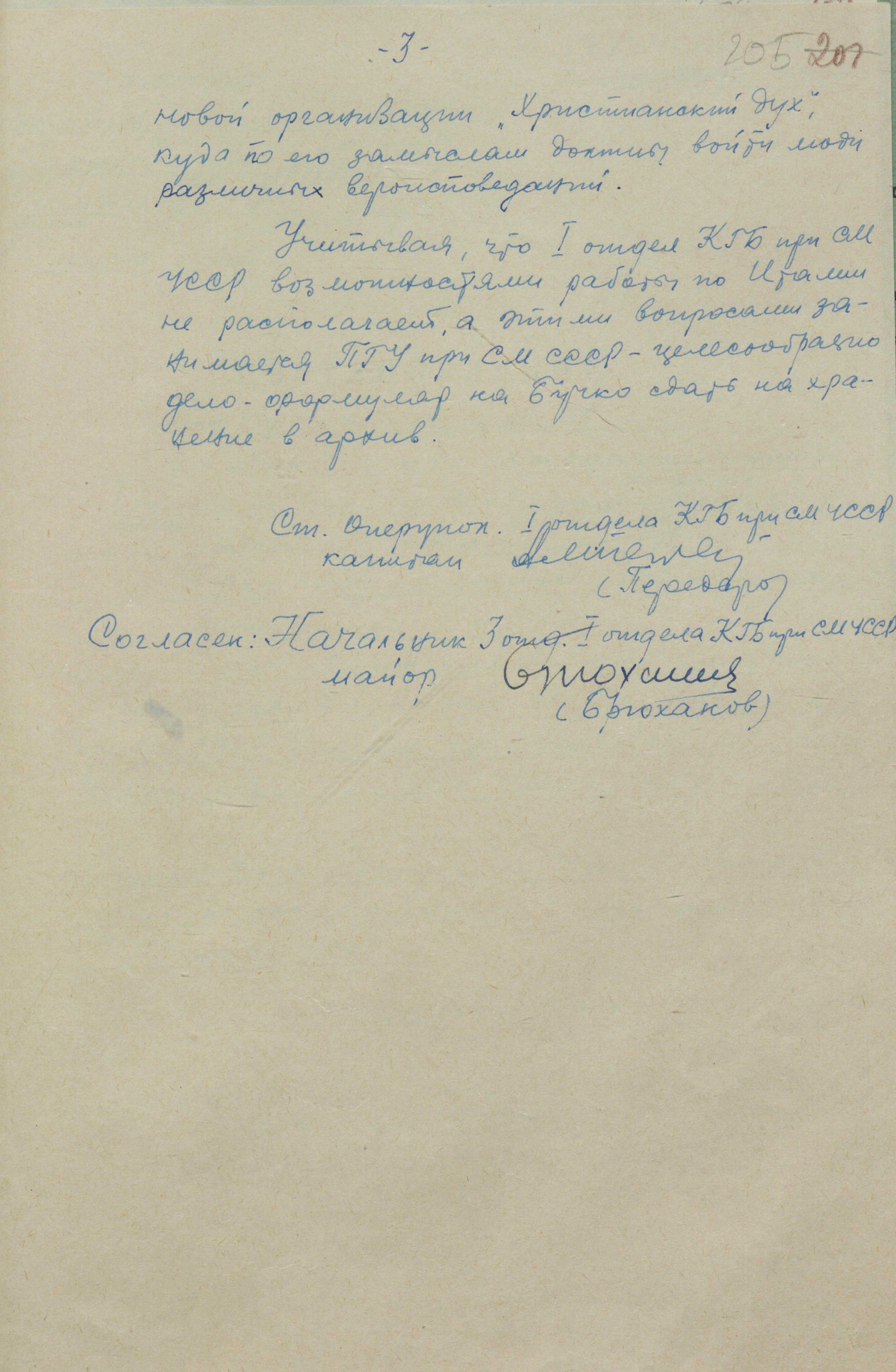
The resolution to open a case against him stated that “Buchko, as the head of the Greek Catholic Church worldwide, directs it in the spirit of Ukrainian nationalism and conducts active anti-soviet work abroad”. The text of his interview with the Spanish newspaper “Arriba” was attached to the case file. His answers to the newspaper editor’s questions were precisely the evidence of anti-soviet agitation and propaganda that the chekists collected and accumulated to persuade their higher leadership that he was a staunch enemy of soviet power, an agent of the Vatican and international imperialism.
When asked to describe the situation in Ukraine, I. Buchko pointed out that the news was very sad. “Our church was the first to suffer persecution from the reds and, unfortunately, it is not the last”, he said. “Starting on April 11, all the bishops were arrested and taken to siberia. We know that three of them died in concentration camps. About 300 priests left Ukraine. All the others, numbering 2,600, are in prisons or in exile in siberia. Those who remain at liberty perform the duties of confessors in newly formed catacombs, which are obviously illegal. The situation is the same with Orthodox priests” (FISU. – F. 1. – Case 10266. – P. 109).
He meant the brutal persecution of the Greek Catholic Church in the ussr, which later became known as the “Lviv pseudo-council”. This was preceded by mass arrests of clergy. On April 11, 1945, the nkvd arrested Archbishop Josyf Slipyj. Over the next two weeks, in addition to the metropolitan and four bishops, another 50 Greek Catholic clerymen were arrested in Lviv and the surrounding regions. They were accused of counterrevolutionary activities. At the same time, the Theological Academy and Seminary in Lviv were closed, and their students were drafted into the soviet army.
In May 1945, the nkvd created an initiative group for the reunification of the Greek Catholic Church with the Orthodox Church. It included priests Havryil Kostelnyk, Mykhailo Melnyk, and Anton Pelvetskyi, who, following the chekists’instructions, carried out the necessary work in their parishes and soon appealed to stalin with a request for reunification with the russian orthodox church. Theologian Father Havryil Kostelnyk agreed to be the spokesperson for the group. The chekists played on his ambitions and hostile relations with the Vatican.
From March 8 to 10, 1946, a so-called pseudo-council was held in St. George’s Cathedral in Lviv, at which, on stalin’s orders, the liquidation of the Ukrainian Greek Catholic Church was proclaimed. The UGCC was banned in the ussr, a significant part of its property was transferred to the russian orthodox church, and the faithful and clergy were forcibly compelled to renounce their church. These decisions were blessed by Patriarch Alexy I of the russian orthodox church.
Even at the stage when the nkvd was persuading clergymen to “reunite” with the russian orthodox church, the diaspora learned about these processes. This is evidenced by declassified documents from the archive case on I. Buchko. One of the reports states that in the autumn of 1945, Teodor Moroz, the head of the OUN(b) office in Czechoslovakia, arrived illegally in Lviv from Prague. His task was to contact the clergy of St. George’s Cathedral and gather information about the situation of the UGCC and the activities of Kostelnyk’s initiative group.
“Former Bishop of the Uniate Greek Catholic Church of Halychyna, Buchko, who is currently in the Vatican, instructed priest Hrynyokh, who lives in Prague, to contact the Fathers of St. George’s Cathedral in Lviv who are at liberty and obtain a report from them for the Vatican. Carrying out Buchko’s task, Hrynyokh contacted Moroz, who lived in Prague, and instructed him to cross the border illegally, get to Lviv, and provide him with a report for the Vatican” (FISU. – F. 1. – Case 10266. – P. 15).
Another document states that T. Moroz “met with the apostolic administrators of the Greek Catholic Church, Malynovskyi and Voyakivskyi, who tasked him with contacting Kostelnyk once again and persuading him to flee abroad. If Kostelnyk rejects this proposal, kidnap him and send him to Munich via the OUN communication line” (FISU. – F. 1. – Case 10266. – P.16).
These documents show that representatives of the UGCC abroad desperately tried to somehow prevent the destruction of the Church in soviet Ukraine. But under those circumstances, it was impossible.
In January 1946, the plan to hold the council was approved in moscow. To implement it, a special operational group of the nkvd of the Ukrainian ssr, headed by deputy commissar O. Drozdetskyi, was sent to Lviv. Delegates to the council were carefully selected from among the clergy loyal to the soviet regime, with some being given explanatory talks and recruited in advance. The nkvd was also involved in organizing the financing of all events, transporting delegates to Lviv, their accommodation, meals, and security for the event itself.
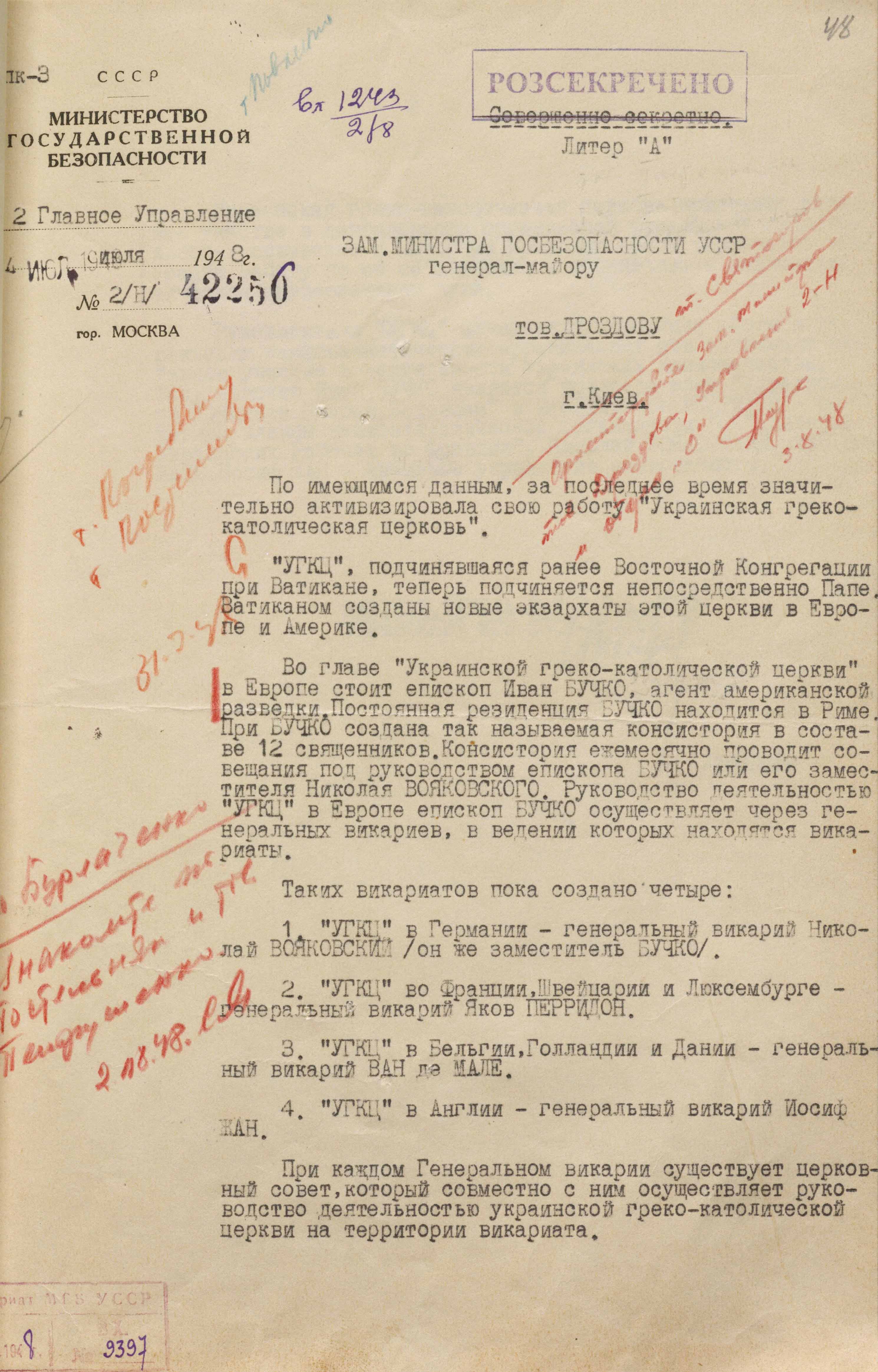
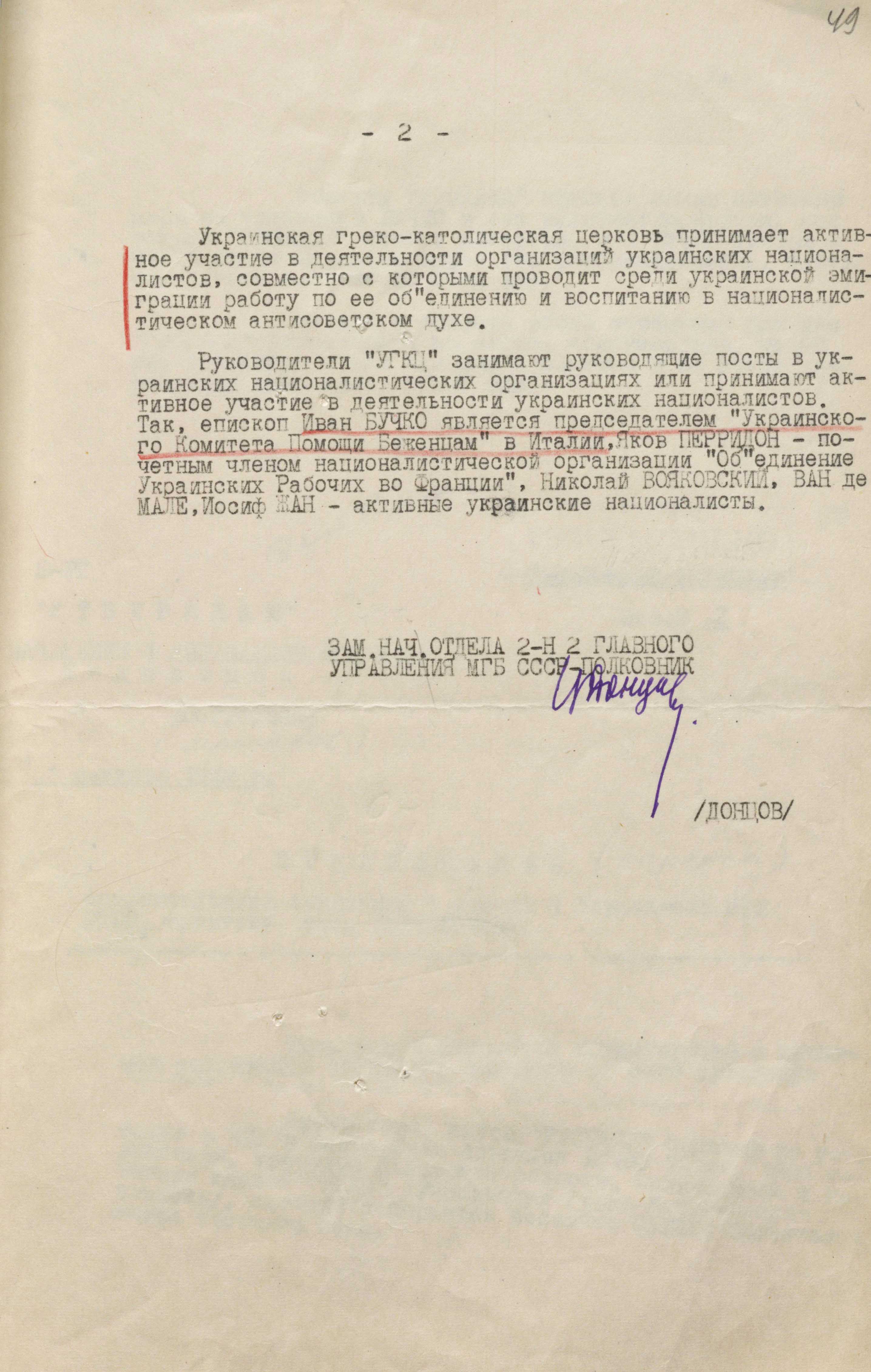
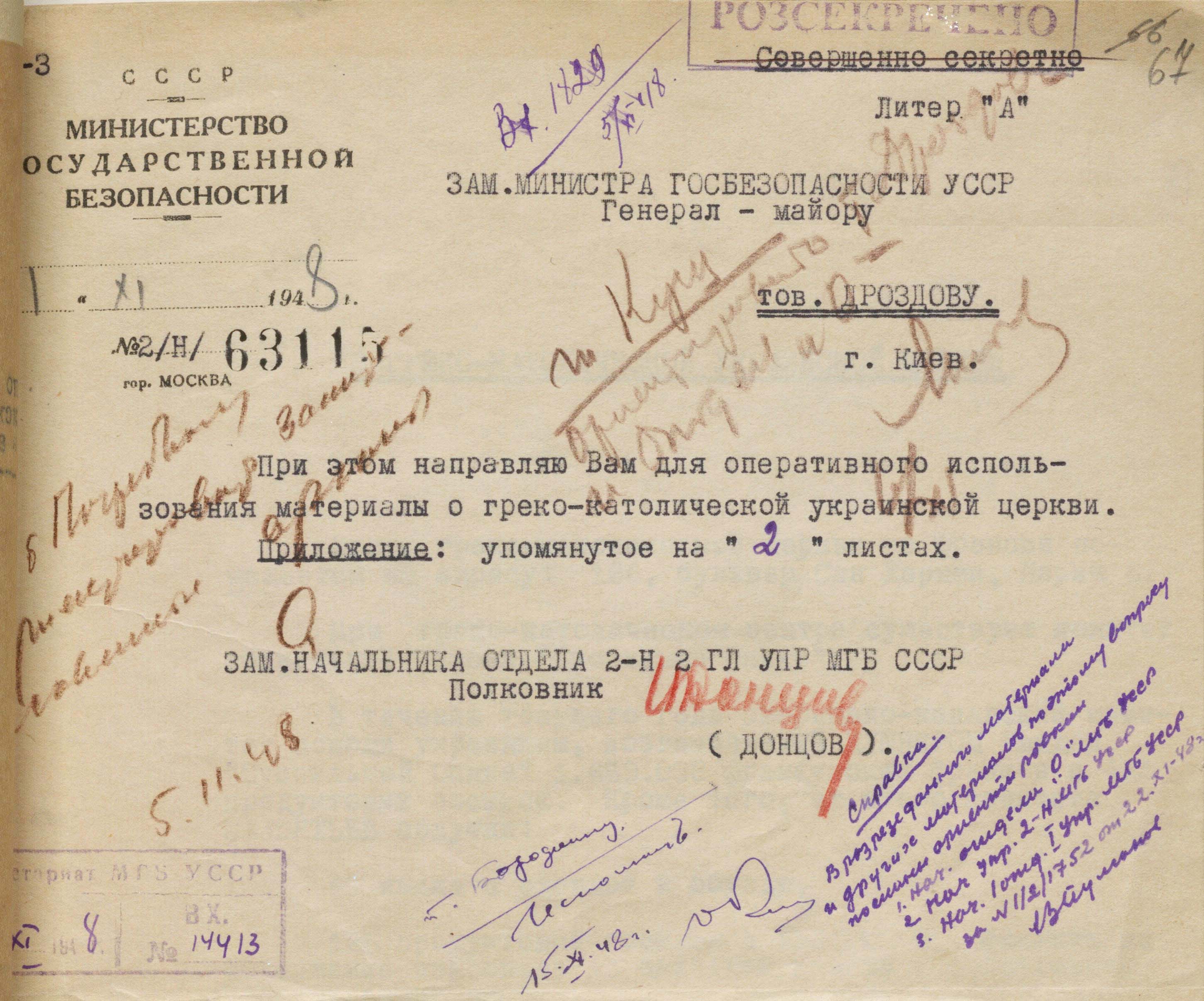
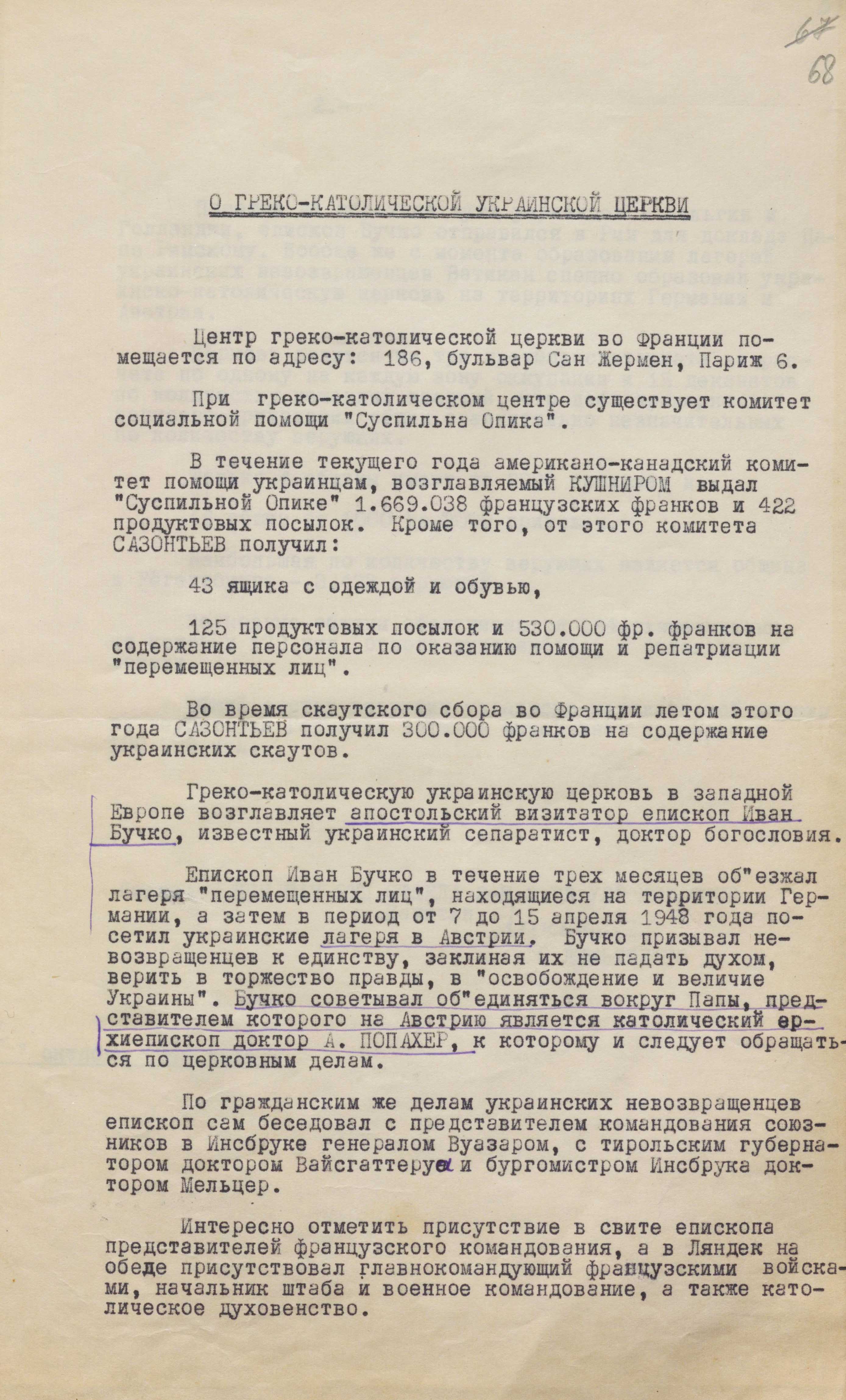
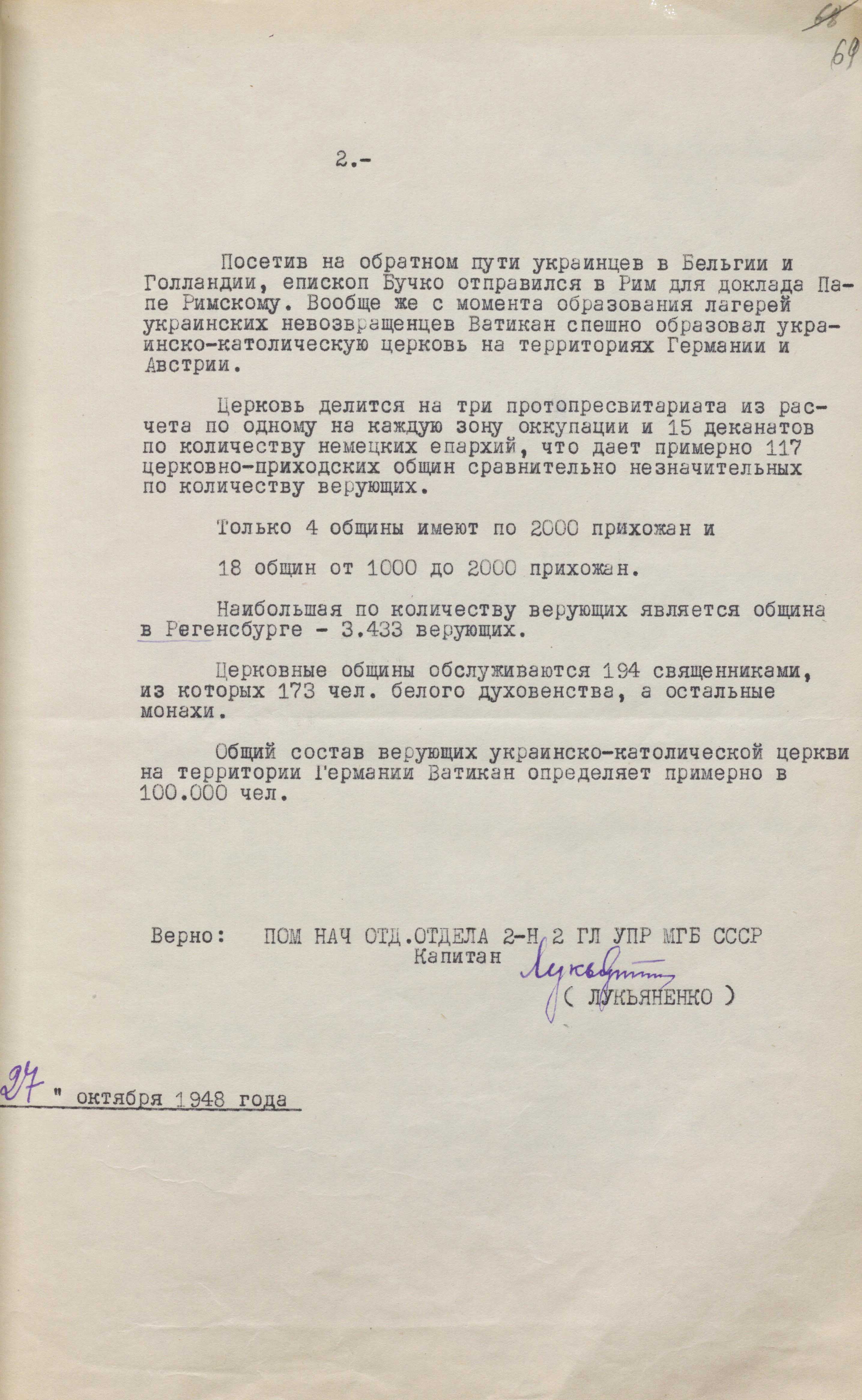
The Lviv pseudo-council of 1946 marked the beginning of further repressions against the clergy and faithful of the Ukrainian Greek Catholic Church. By coincidence, I. Buchko did not fall victim to the repressive machine at that time. An article in a Spanish newspaper on this subject pointed out that in 1939, a month before the start of World War II, he left his homeland and went abroad, which was the reason why he was not arrested, deported to siberia, or shot dead like other clergy. At that time, he was a Bishop, a Doctor of Theology, an active public figure, and a participant in episcopal conferences and international congresses. In August 1939, I. Buchko visited a number of Ukrainian settlements in South America. After many months of pastoral travel, he lived in the United States for some time. In November 1941, he returned to Europe, settled in Rome, and became the representative of the Ukrainian Greek Catholic Church to the Vatican. The mgb residentura in Rome organized surveillance of the Bishop and his movements throughout Europe. Based on those reports, in July 1948, a document was sent from moscow to Kyiv about the intensification of the UGCC’s activities abroad and the need to take appropriate measures to counteract that. It was noted that previously the UGCC had been a subordinate to the Eastern Congregation of the Vatican, and then directly to the Pope, which allowed I. Buchko, as the head of the UGCC in Europe, to promote his ideas and gain support. It was mentioned that he had created a consistory consisting of 12 clergymen and that the Church’s activities were managed through four vicars general in Germany, France, England, Belgium, the Netherlands, and Denmark. moscow considered the greatest threat to be the fact that the UGCC was actively involved in the activities of the OUN and, together with the leaders of that Organization, was working among Ukrainian emigrants to unite them and educate them in a nationalist, anti–soviet spirit. “The leaders of the UGCC”, the document stated, “hold leadership positions in Ukrainian nationalist organizations or participate in the activities of Ukrainian nationalists. In particular, Bishop Ivan Buchko is the head of the “Ukrainian Aid Committee” in Italy, Yakiv Perridon is an honorary member of the nationalist organization “Association of Ukrainian Workers in France”, and Mykola Voyakivskiy, Van de Male, and Yosyp Jean are active Ukrainian nationalists”. (FISU. – F. 1. – Case 10266. – P. 48–49).
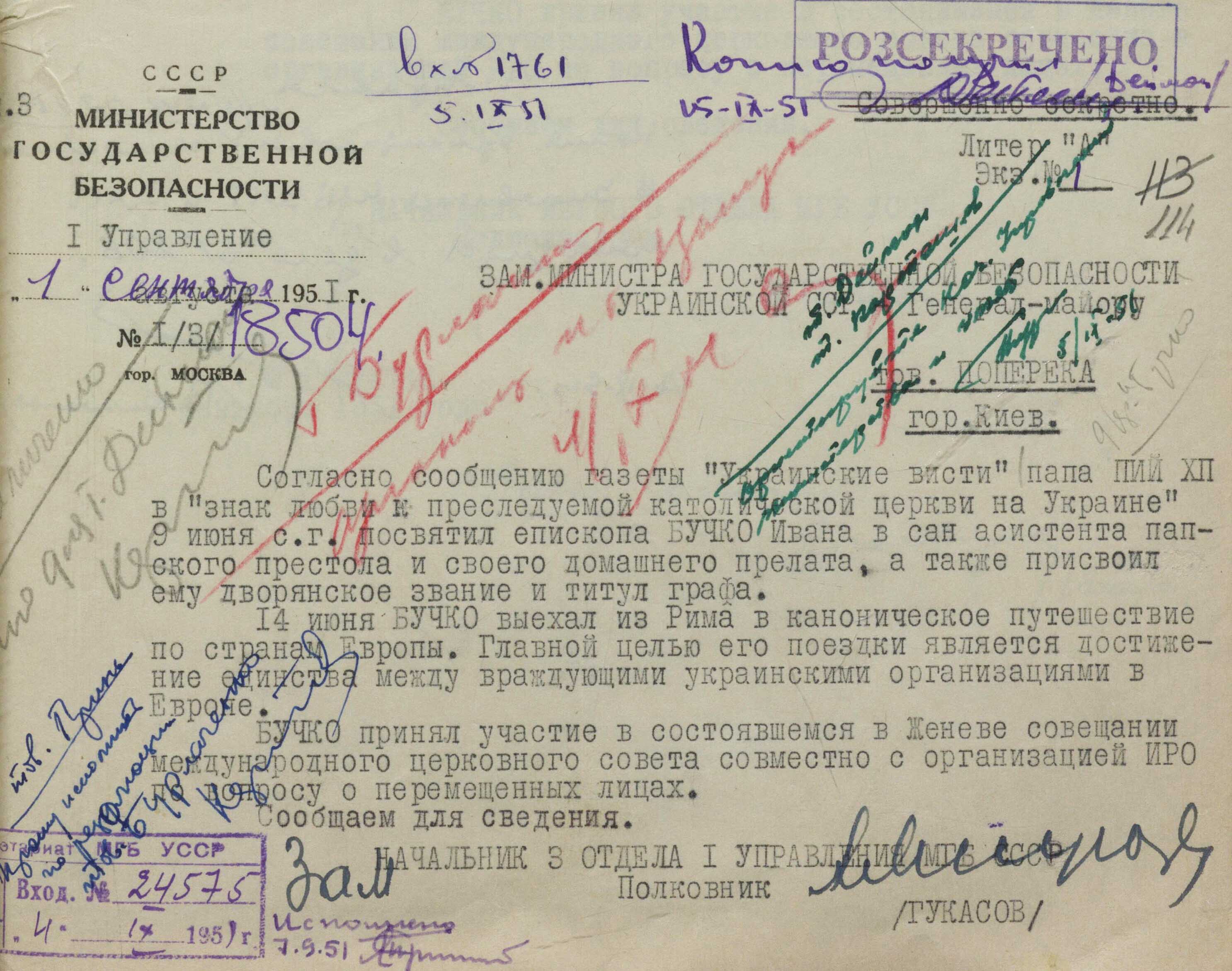
Soon, information was sent from moscow to Kyiv that Pope Pius XII, “as a sign of love for the persecuted Catholic Church in Ukraine,” had consecrated Bishop I. Buchko as an assistant to the Papal See and also granted him the title of Count of Rome. This was a signal to intensify efforts to cultivate him. The mgb of the Ukrainian ssr registered all of I. Buchko’s relatives living in the ussr. Information was collected on each of them in order to determine which candidate could be taken abroad and infiltrated into the Bishop’s inner circle. However, no one met the necessary criteria.
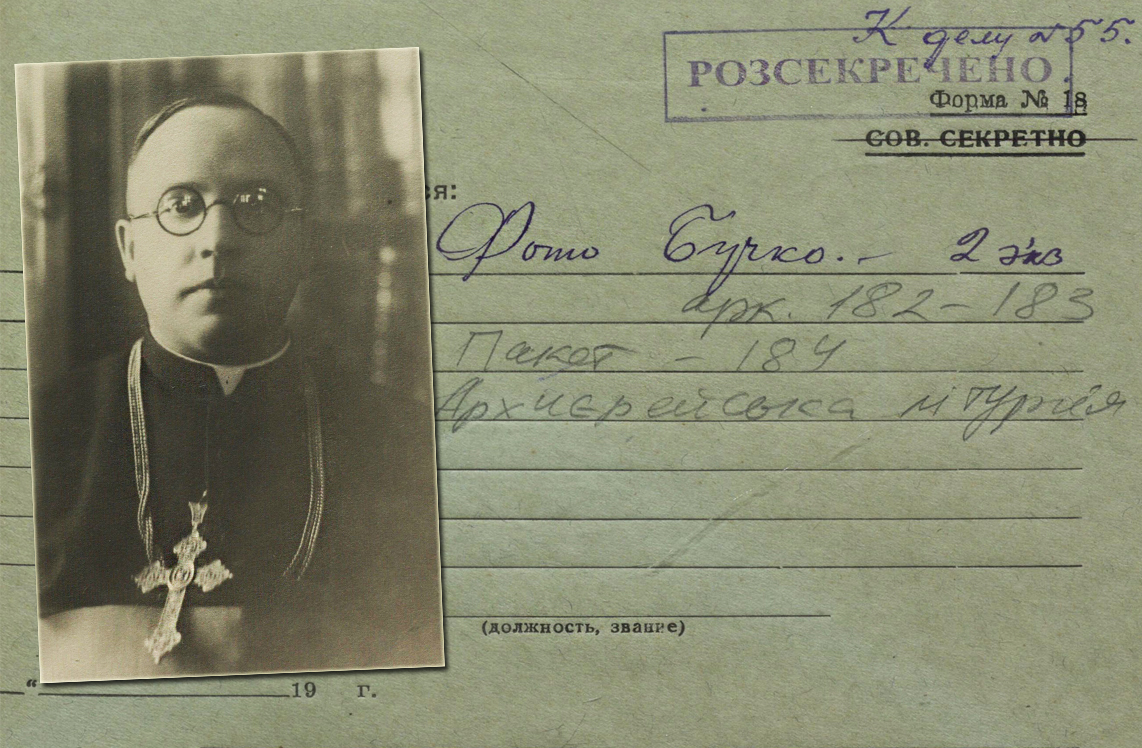
Therefore, I. Buchko’s activities and his trips were monitored mainly through reports from existing foreign agents and newspaper publications. For this purpose, individual agents were shown I. Buchko’s photographs so that they could recognize him. However, none of these measures brought the desired result for the chekists. After all, they could not influence his position, behavior, or public statements. Those statements were quite harsh. In particular, in the aforementioned interview, the journalist asked: “Why, Your Excellency, do you always say ‘moscow and muscovites’ when mentioning communists?” He replied as follows:
“The Ukrainian people are a true Rusian (Ruskyi – from the old name of Ukraine- Rus – Transl.) people. moscow robbed us, including our name. muscovites are a mixture of Asian tribes and races with an admixture of 35% of Slavic population.
Now, under stalin’s rule, they have inherited the policies of Genghis Khan, as did other muscovite despots.
Communism has become a means for them to achieve their goals, a weapon of propaganda that serves to attract followers around the world under the guise of social justice.
Outwardly, in relation to the outside world, they managed to transform it into something more than a political doctrine, because they turned it into a kind of religion, without God, with iron discipline”.
(FISU. – F. 1. – Case 10266. – P. 109).
To the last day of his life, I. Buchko had been promoting the activities of the UGCC in the diaspora, regularly making pastoral visits to various countries, appealing to the Pope for support for the Ukrainian Church, and caring for the faithful. At the same time, he had certain differences of opinion with Metropolitan Josyf Slipyj regarding the status of the church, the creation of the UGCC patriarchate, and other issues. In 1963, under pressure from the international community and thanks to the intercession of Pope John XXIII and US President John F. Kennedy, the then leader of the ussr, Nikita Khrushchev, agreed to release him from the camp and let J. Slipyi live in Rome.
The chekists monitored those tense and difficult relations and even tried, through agents and other means, to pit church leaders against each other and achieve a schism. But nothing came of it. I. Buchko showed caution, diplomacy, and loyalty to the Vatican in order to be able to continue lobbying for the Ukrainian question.
Eventually, the mgb of the Ukrainian ssr, and later the kgb of the Ukrainian ssr, could not act as brazenly and arbitrarily abroad as they had been doing in Lviv. Therefore, the case against I. Buchko, which had been ongoing for many years, was closed due to the lack of operational abilities for further cultivation from Italy. At this, the summary report states that the issue will be further dealt with by the First Main Directorate (Foreign Intelligence) of the kgb of the ussr.
(To be continued).