
How Europe Responds to the rf’s Hybrid Challenges in the Baltic
6/6/2025
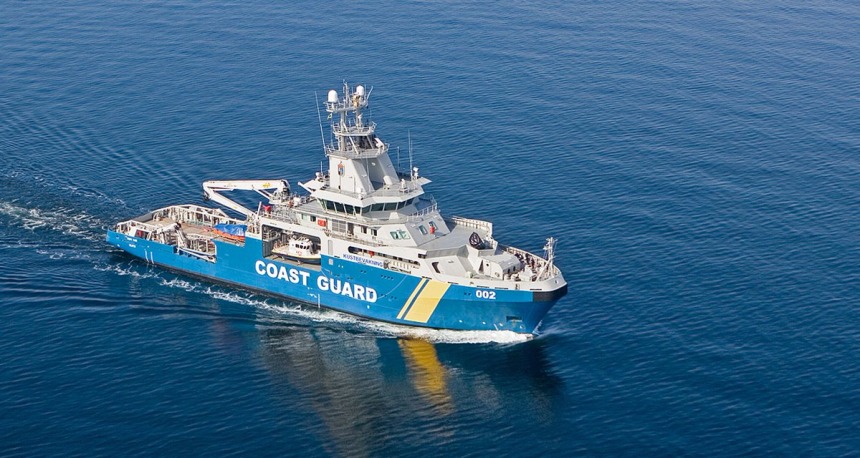
Since July this year, Sweden has significantly expanded the powers of the coast guard and the maritime administration to inspect foreign ships – not only those that call at ports, but also transit ones. The decision was made against the background of the aggravation of threats in the Baltic Sea related to the activities of the rf’s “shadow fleet” – ships with an opaque ownership structure, dubious technical condition and inadequate insurance.
The Swedish initiatives continue the line of Denmark, which is already carrying out inspections at the port of Skagen, but covering a wider range of controls. Stockholm directly points to the need to prevent environmental incidents, illegal activities, damage to underwater infrastructure and emphasizes the need to comply with the sanctions regime against russia.
The new data collection system should contribute to the introduction of additional sanctions against the transportation of russian oil. The combination of Swedish and Danish initiatives actually creates the basis for a regional system of control over shipping in the Baltic Sea, which can be scaled to other countries in the region – Finland, Poland and the Baltic states.
The kremlin has already launched a disinformation campaign, arguing that the new restrictions are a violation of freedom of navigation. At the same time, the risk of deliberate provocations increases: dangerous maneuvering near coast guard ships and imitation of navigation incidents can become pressure tools. In parallel, russia began to escort the tankers of the “shadow fleet” by warships, which the Minister of Defence of Finland called an unprecedented escalation. According to him, the rf’s military presence in the region was before, but the escort of commercial vessels is a new level of militarization of the Baltic.
European countries, especially after Sweden and Finland joined NATO, have stepped up security efforts in the Baltic Sea. In particular, they consider the possibility of returning to NATO's REFORGER exercises – the largest maneuvers of the Cold War, with an emphasis on the Baltic as a new line of deterrence.
The formation of a regional system of ship traffic control in the Baltic Sea is a reaction to the increasing military and environmental threat from the rf. While the EU focuses on the Baltic, discussions are ongoing to establish a similar Maritime Security Hub in the Black Sea to protect critical infrastructure and monitor risks.