
Inflation and Stagnation: the Five-Year Plan Has Revealed Chronic Weaknesses of the rb’s Planned Economy
12/7/2025
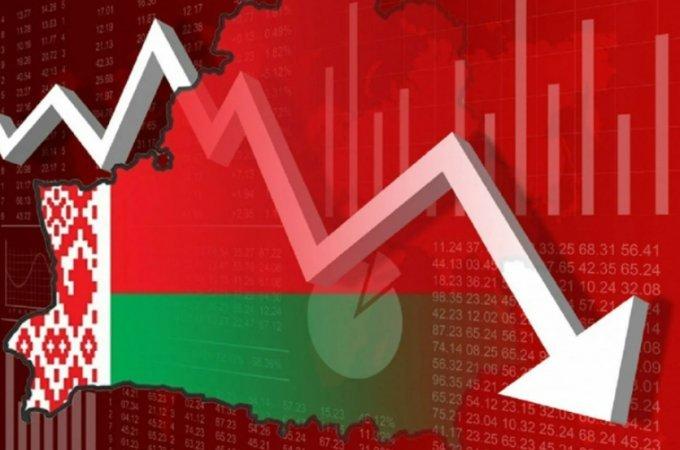
The government of belarus is preparing to approve a new development program for 2026–2030, even though the previous five-year plan has already shown the systemic inefficiency of a planned economy.
GDP growth for 2021–2025 was less than 8 % instead of the planned 20 %. If the current pace continues, growth in 2025 will be around 2 %. The economy has effectively remained at the level of the mid-2010s.
Targeted keeping prices below 5 % failed. Inflation reached 12.8 % in 2022, while prices rose by 42 % over five years, almost four times the forecast. In October 2025, annual growth accelerated to 6.9 %.
The share of investment in GDP was supposed to reach 22–23 %, but remained at 18.8 % in 2025. Funding was concentrated on housing construction and large state projects, with the manufacturing sector receiving limited funding. Foreign investment virtually ceased.
In January–September 2025, exports amounted to only $37.3 billion, almost $7 billion below the target level. The share of raw materials in supplies increased to 65 %, while the loss of European markets increased dependence on russia and China. Mechanical engineering and the chemical industry have not yet recovered to their previous levels.
The five-year plan demonstrated that centralized planning and state control remain a serious drag on the economy. Ambitious plans remain on paper, while the real economy of belarus is vulnerable, undiversified, and stagnant.