
Logistical Problems and Falling Prices Have Caused a Collapse of Seaborne Exports of russia’s Oil
12/12/2025
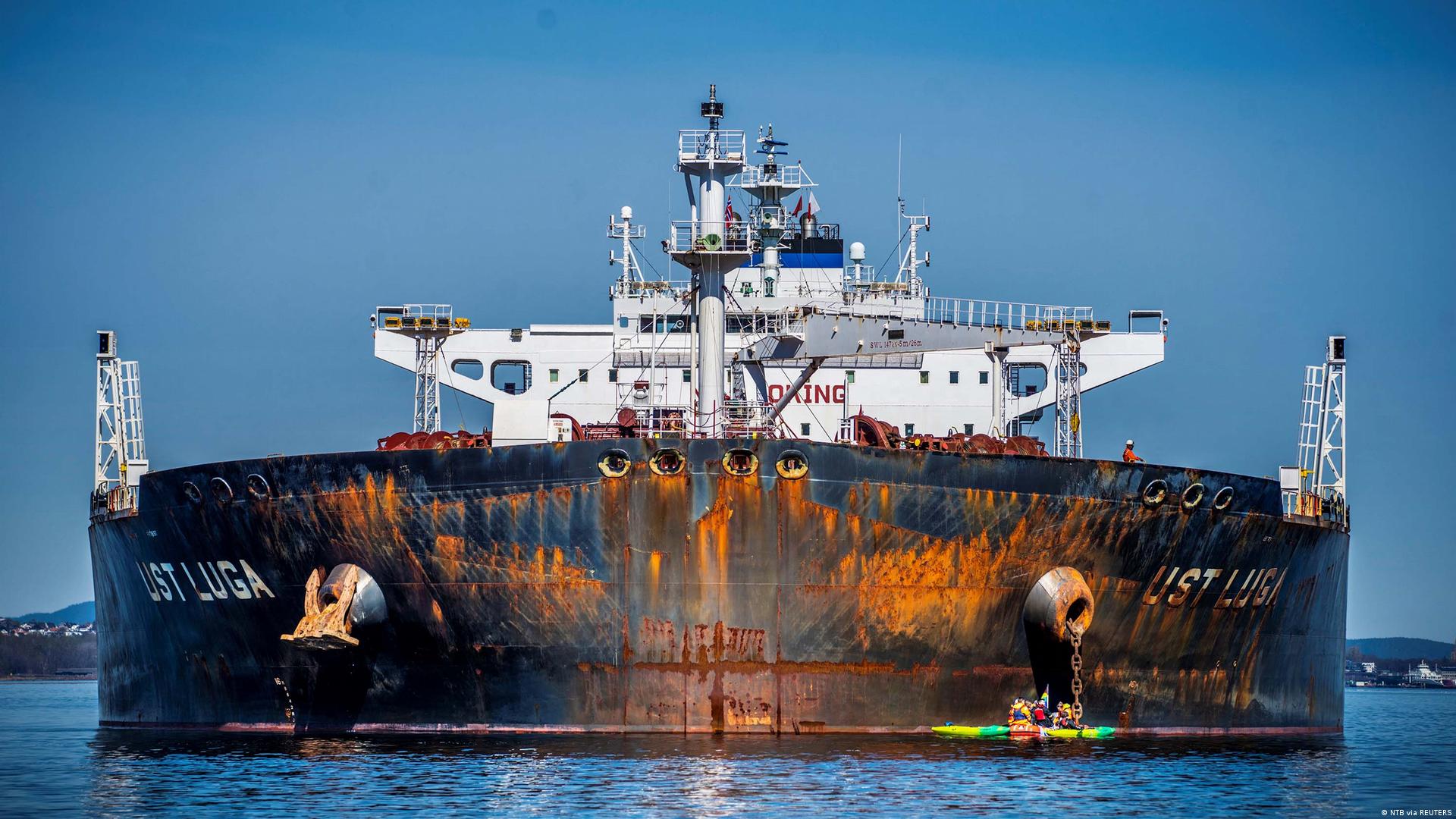
Although russia continues to increase its shipments of crude oil, sanctions and market restrictions are creating a sustained negative trend in its exports by sea. A significant portion of cargo remains at sea without being unloaded, while carriers are increasingly resorting to changing ports of destination and ship-to-ship operations to circumvent restrictions.
The volume of “oil on water” is growing: since the beginning of December 2025, tankers have accumulated about 180 million barrels of russian crude oil, which is by 28 % more than at the end of August and is the highest level since 2022. At the same time, export revenues are declining: Urals prices in the Baltic region have decreased to $41.16, in the Black Sea – to $38.28, and ESPO has dropped to $52.36 per barrel.
Demand in the Global South is also weakening. Following US sanctions against “Rosneft” and “Lukoil”, some Chinese and Indian refineries have tightened inspections of tankers, leading to delays and redirection of shipments. Frequent route changes and working through intermediaries are exacerbating difficulties with sales.
Overloaded routes, oil accumulation at sea, and increased risks for buyers signal a structural deterioration in russian export conditions. Logistics is becoming more expensive, dependence on the “shadow” fleet is increasing, and price pressure on russian oil grades will grow, further limiting the possibilities for circumventing sanctions.
Read also: Activity of the rf’s “shadow fleet”: November Statistics