
Road Workers in russia Are Striking from Irkutsk to Kamchatka
12/11/2025
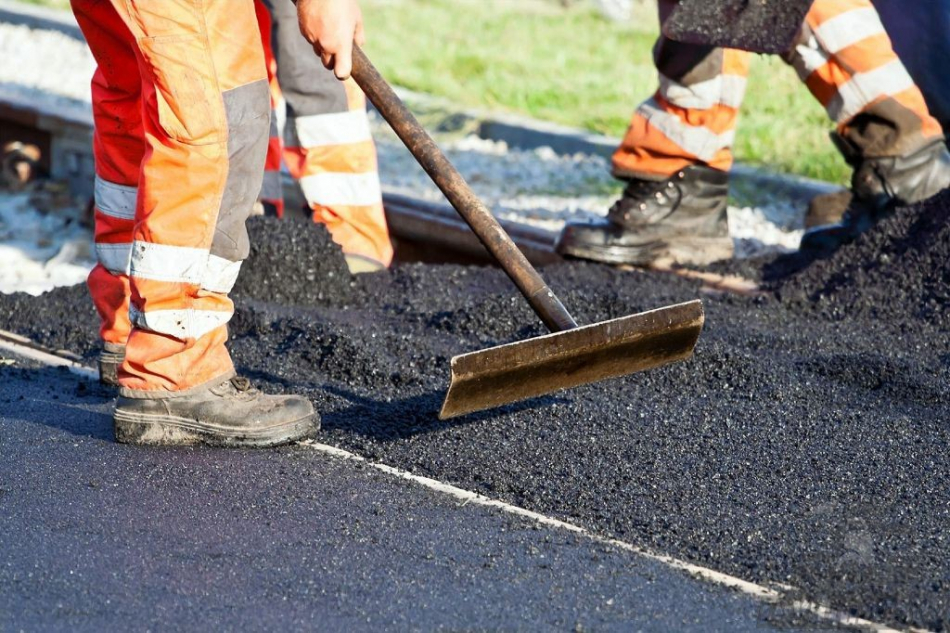
The road maintenance crisis is worsening in russian regions. Lack of funding, debts and the risk of bankruptcy are threatening the work of key contractors, which could leave urban and interurban roads without proper maintenance. The sector, which is already operating under stressful conditions, is showing systemic signs of exhaustion.
In Irkutsk region, the situation is deteriorating in three cities at once – Irkutsk, Cheremkhovo and Bratsk. According to the mayor of the regional capital, there were no funds in the budget for road maintenance and repair in either October or November, and it is anybody’s guess whether they will appear in December. According to estimates, in 2026, the region’s road industry will need more than 117 million roubles, while only 30 million roubles have been allocated at present. A similar lack of funding has been noted in Cheremkhovo. In Bratsk, road workers sent a letter to putin in early November due to delays in salary payments.
The critical state of the industry has also been confirmed in Komi. Due to accumulated debts, the “Specialised Road Administration” of Vorkuta may have to stop work. The company owes more than 100 million roubles to its employees and several tens of millions more to fuel and spare parts suppliers.
In Kamchatka, problems have been ongoing since last year: employees of spetsdorremstroy have already gone on strike. The amount of debt has exceeded 175 million roubles, while the court is considering the company’s bankruptcy case.
In early December, a strike took place in Omsk – bridge builders had not been paid for three weeks.
According industry organisations’ estimates announced in the summer, 47 % of system-forming road construction companies are in a pre-bankruptcy state, while another 35 % are at high risk.
Similar challenges are observed in other segments of regional budgets. Against the background of the war against Ukraine and a shortage of resources, federal entities are cutting funding not only for road infrastructure, but also for hospitals, schools and public sector wage funds, which indicates widespread financial destabilisation.