
The Caspian Sea – Polluted by Wastewater, the Black Sea – by Fuel Oil: Does russia Still Have any Clean Seas?
9/29/2026
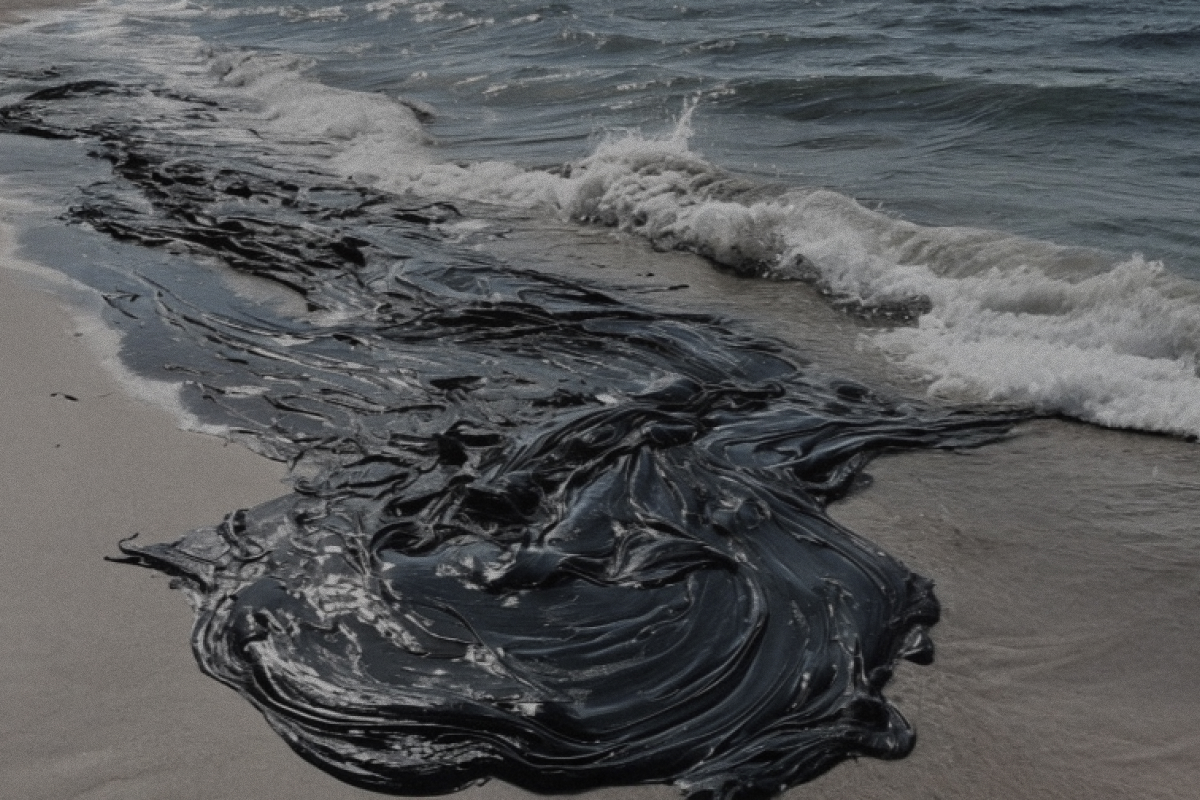
russia has turned its seas into areas of environmental concern. Bacterial contamination caused by sewage has been recorded in the Caspian Sea, whilst the Black Sea continues to suffer from the consequences of a large-scale fuel oil spill following the tanker accident in the Kerch Strait.
In dagestan, particularly in kaspiysk, the authorities have banned swimming in the sea due to the dangerous bacterial contamination of the water. Laboratory tests have shown that the water near the town’s beaches does not meet health standards. Local residents complain of rashes and other problems following contact with the water, whilst experts warn of the risk of intestinal and other infections if contaminated water enters the body.
The Caspian Sea’s problems are not limited to sewage discharges. The sea suffers from oil pollution, pesticides, phenols, heavy metals and pollutants flowing in from rivers, first of all the volga. At the same time, the water level of the Caspian Sea is falling rapidly, which is further altering the ecosystem, reducing biodiversity and creating problems for coastal infrastructure.
The situation in the Black Sea is no better. Following the accident involving russian tankers in the Kerch Strait, thousands of tons of heavy fuel oil spilled into the sea. A significant proportion of it has settled on the seabed and in coastal sediments. Due to storms and the warming of the water, the heavier fractions periodically rise to the surface again, forming slicks and films. Scientists warn that oil pollutants can accumulate in the bodies of molluscs and be passed on through the food chain.
Whilst moscow wages war and squanders resources on it, environmental safety remains one of the problems whose consequences will be felt by future generations of russians.