
The kremlin Has Driven russians into a Debt Trap and Is Demanding They Pay off Their Debts with Their Lives
11/8/2026
By 2026, russia’s financial landscape had finally turned into a complete cycle of defaults. Debt had spread to all levels – from ordinary russians to businesses and entire industries.
As of August, 28% of all borrowers at russia’s banks were having difficulty servicing their loans. Due to expensive loans, 33 companies went into technical default in January – September, while 17 of them went into full-blown default.
There are also problems with rising wage arrears. By the end of September, the total overdue wage debt in the rf had reached 2.539 billion rubles. More than 56% of this amount consists of debts from the current year, which companies attribute to a complete lack of their own funds.
Take, for example, the “spiridonovskaya” mine (kiselevsk). It lacks the funds to increase production, and it cannot sell more coal without new investments. Meanwhile, at the “northern kuzbass” coal company, debts owed to 1,408 workers have exceeded 807 million rubles.
The collapse is not limited to enterprises. Ordinary russians are also in debt, even for utility bills. For example, in the krasnodar territory, the accounts receivable of heat supply organizations for gas have risen by 16%.
The authorities are responding exclusively through coercive and fiscal measures. Since October 2026, the collection of housing and utility debts has been shifted to a “digital acceleration” mode, while bailiffs are actively seizing property and wages and impounding cars during raids (as in kaliningrad region, where the debt of five car owners exceeded 4.5 million rubles in a single raid).
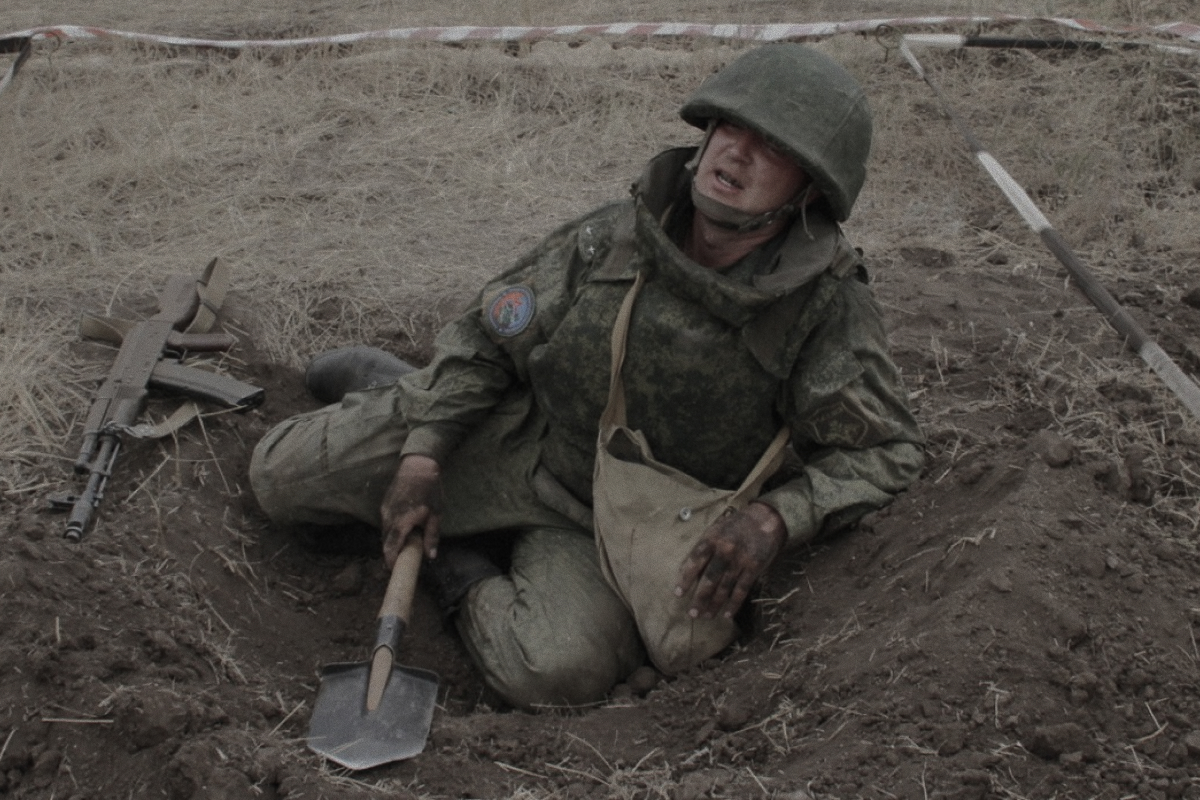
The kremlin offers loans to businesses, while pushing ordinary russians toward one and only mechanism for relieving themselves of credit obligations – participation in the war against Ukraine. For such individuals, a “partial debt write-off” program is available upon signing a contract for a minimum of one year. Full debt forgiveness (with no limit on the amount) is provided only in the event of death, death from wounds, or the granting of Group 1 disability status.
russia’s economy has reached a point where the only available means of “financial recovery” for the average citizen is a contract with the army, while civilian businesses and the general population remain trapped in a cycle of asset seizures, defaults, and forced collections.