
The kremlin Is Stuck Between Inflation and an Empty Treasury
7/3/2026
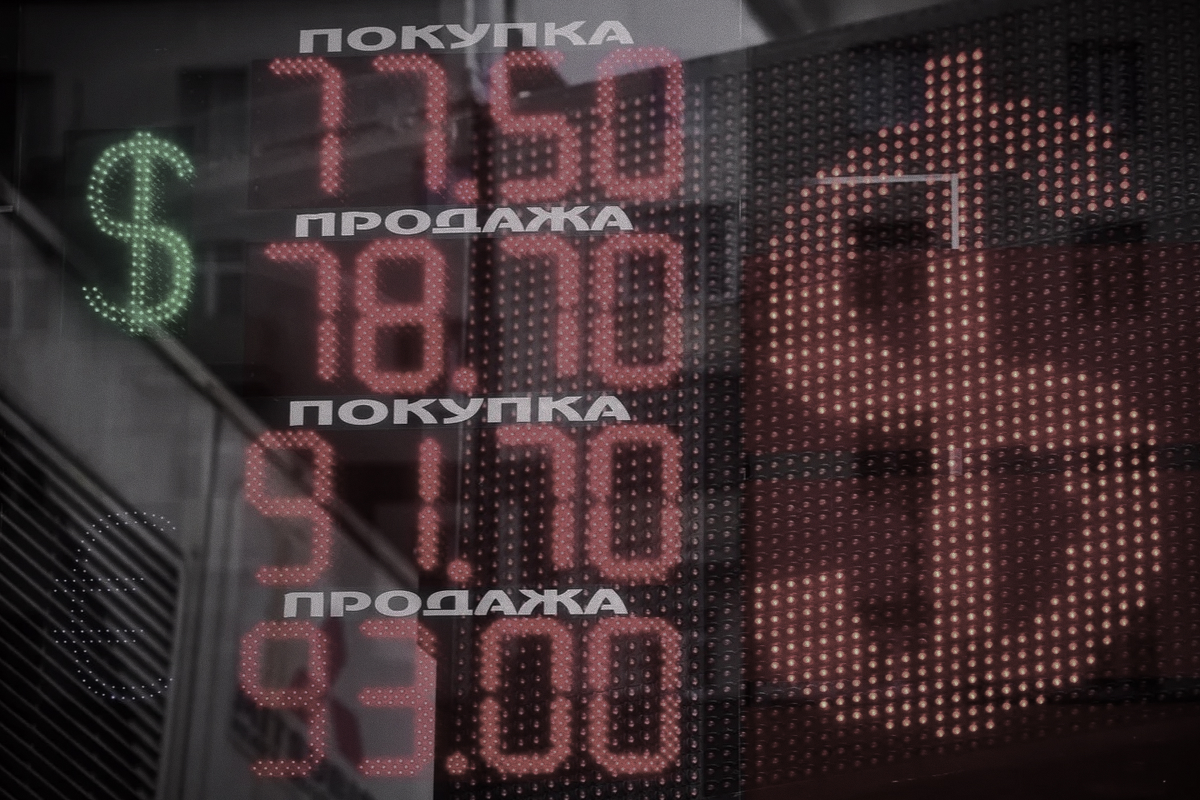
From June 17 to 28, the official dollar-to-ruble exchange rate soared from 73.11 to 77.06 – and each of these points reflects not a market equilibrium, but moscow’s systemic inability to maintain its financial facade.
The central bank of the rf itself undermined its own support: starting June 17, it cut daily foreign currency sales by 34.5% – from $105.1 million to $68.8 million as of June 27. Less currency on the market means less support for the exchange rate.
Following the partial resumption of shipping through the Strait of Hormuz, Brent crude fell to $73.08 per barrel – by 38% lower than its May peak. russian Urals crude, weighed down by sanctions-related discounts, dropped to $60.11. For the rf’s budget, which relies on hydrocarbon revenues, this is a hole that needs to be plugged somehow.
On June 22, the moscow exchange index plummeted by 4.23% within a day to 2,318 points; on June 26, it hovered at 2,285 – near its lowest levels since March 2023. Investors were buying up currency en masse – both businesses and those who had still managed to save something for a rainy day.
On top of everything, a deadline looms: the suspension of foreign exchange transactions under the budget rule expires on July 1. moscow has not yet publicly decided what comes next. Meanwhile, the ministry of finance of the rf is working on lowering the base cut-off price for oil in the rule for 2027. The market interprets this unequivocally: there will be less foreign exchange support.
Against this background, most russian financial analysts are forecasting a further weakening of the ruble. According to their estimates, the dollar will remain within the 77–78 rubles range in July and could reach 80–85 by the end of the year.
For the kremlin, the ruble’s depreciation has become a tool for budgetary survival: a weaker ruble boosts ruble-denominated revenue from oil exports. But the price of this maneuver is accelerating inflation, more expensive imports, and the further erosion of business confidence. Conversely, an attempt to prop up the exchange rate by force will deplete the foreign exchange reserves needed to finance the war.
moscow has fallen into its own trap: the more it spends on the war, the fewer levers it has left to defend the ruble. And vice versa.